 AR
AR
What Is a Hot Press Machine? Understanding the Core Equipment in Plywood Manufacturing
2026/07/20
Discover the hot press machine, essential in plywood manufacturing, and its role in creating high-quality wood products.

2026/07/10
Particle board has become one of the most widely used engineered wood products in the furniture and interior decoration industries, thanks to its excellent balance of performance, appearance, and cost. It is commonly used in the production of cabinets, wardrobes, office furniture, flooring substrates, shelving, and many other interior applications. Because of its smooth surface, stable structure, and cost-effectiveness, particle board is often preferred over solid wood and other traditional materials in large-scale manufacturing. As the demand for high-quality wood panels continues to grow, manufacturers are increasingly adopting fully automatic particle board production lines. These advanced systems help improve production efficiency, reduce labor costs, minimize material waste, and ensure consistent product quality, making them an essential part of modern wood panel manufacturing.
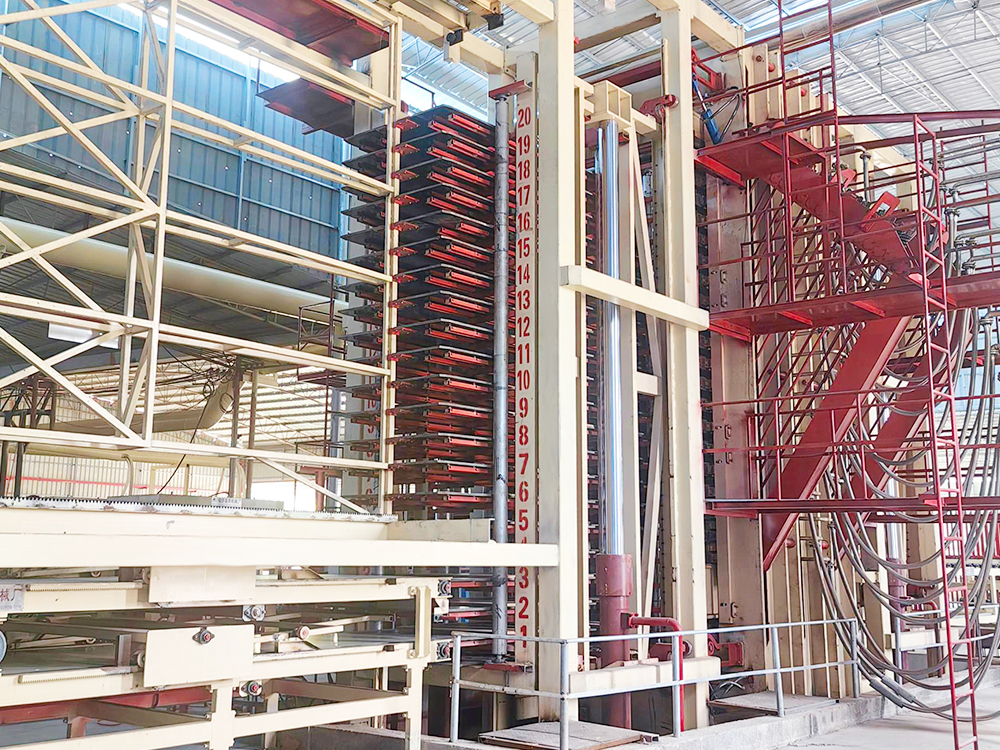
An automatic particle board production line is a fully integrated manufacturing system designed to convert wood residues—such as wood chips, sawdust, and recycled wood—into high-quality particle boards through a series of automated processes. The entire production line is controlled by an intelligent PLC system, enabling continuous, efficient production with minimal manual intervention. This makes it an ideal solution for manufacturers seeking to scale up output while maintaining consistent board quality.
A typical automatic particle board production line includes several key stages: raw material preparation, drying, screening, glue blending, mat forming, pre-pressing, hot pressing, board sizing, sanding, and automatic stacking. Each stage is precisely coordinated to ensure smooth workflow, reduced material waste, and stable product performance.
With rising demand for engineered wood panels in furniture, construction, and interior decoration, automatic particle board production lines are becoming increasingly essential for modern wood panel manufacturers. They help improve production efficiency, reduce labor costs, and ensure consistent quality—making them a smart investment for companies looking to stay competitive in the global market.
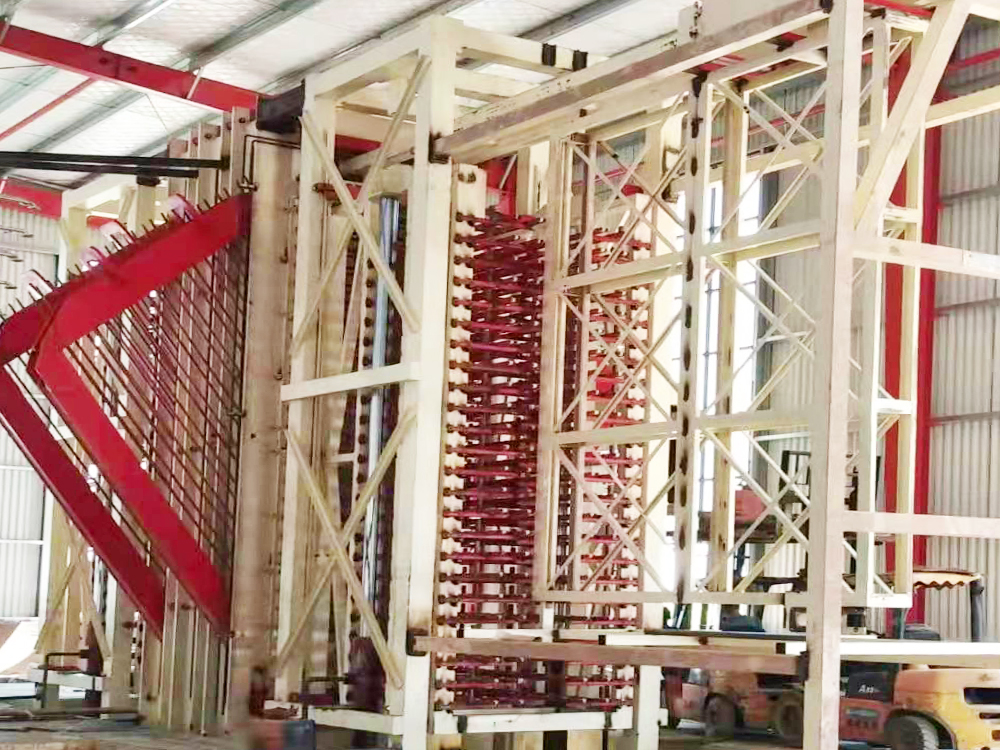
The manufacturing process begins with wood preparation. Logs or wood waste are processed into particles of suitable size before entering the drying system. This step ensures that the raw material meets the required moisture content and particle size for downstream processing.
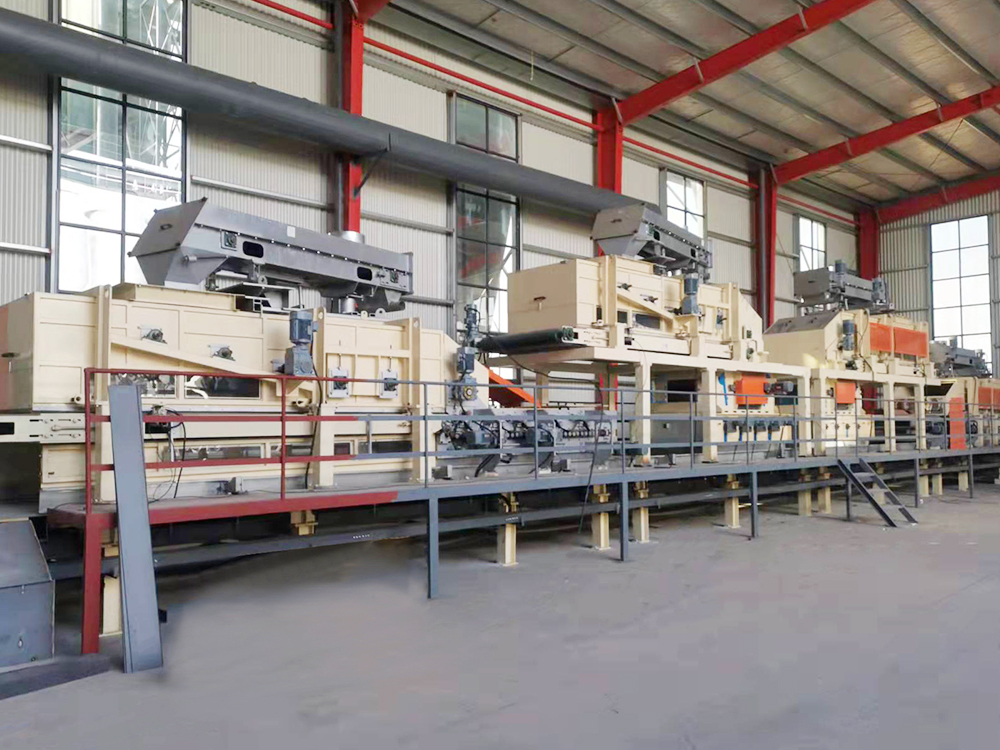
The dried particles are then screened to remove oversized or undersized materials, ensuring consistent board quality. After screening, the particles are mixed with resin, wax, and other additives inside an automatic glue blending system. This blending stage is critical for achieving uniform adhesive distribution and strong internal bonding.
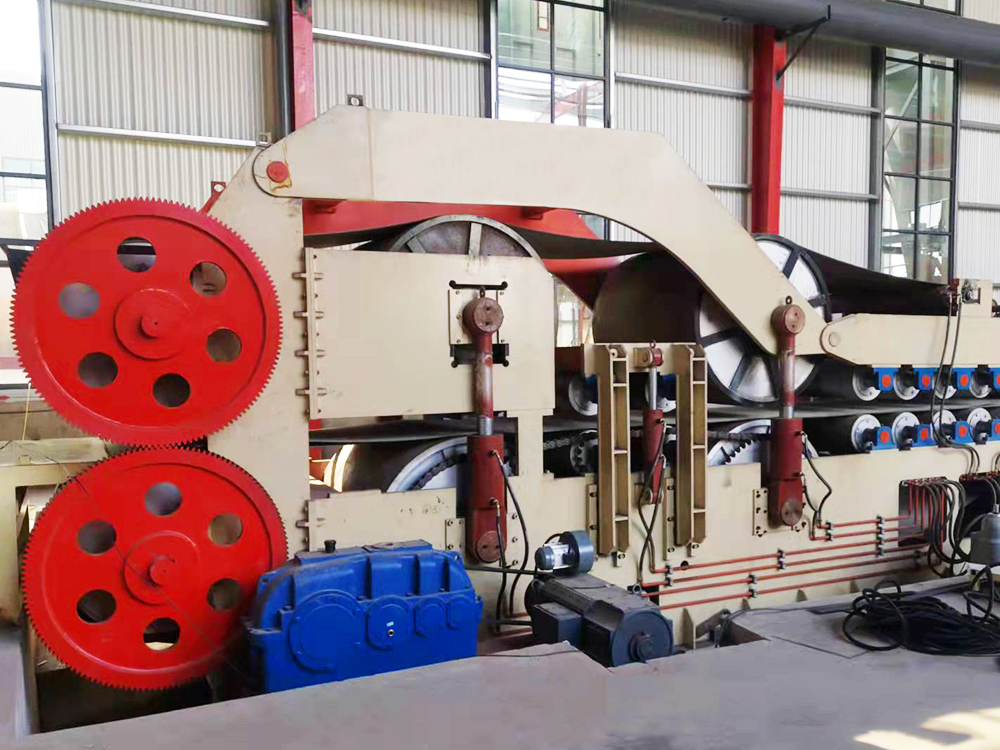
The blended material is evenly distributed by the forming machine to create a uniform mat, which is then pre-pressed to improve stability before entering the hot press. Pre-pressing helps reduce the mat thickness and prevents damage during transfer.
The hot press applies high temperature and pressure to cure the adhesive and consolidate the board. This is one of the most important stages in the entire production line, as it directly affects the density, strength, and surface quality of the final board.
After pressing, the boards are cooled, trimmed, sanded, inspected, and stacked automatically before packaging. Each of these finishing steps ensures that the final particle boards meet the required dimensional accuracy, surface smoothness, and quality standards for furniture, construction, and interior decoration applications.
Compared with conventional production methods, fully automatic production lines offer significant advantages in terms of quality, efficiency, safety, and cost control.
Automatic control systems precisely regulate temperature, pressure, material distribution, and production speed, ensuring stable product quality throughout the manufacturing process. This level of precision reduces human error and helps maintain consistent board density, thickness, and surface finish in every production batch.
Integrated automation also reduces manual handling, minimizes production errors, improves workplace safety, and increases overall production efficiency. With fewer workers needed on the production floor, manufacturers can lower labor costs while achieving higher output and better working conditions.
Energy-saving technologies, optimized heat recovery systems, and intelligent process control further reduce operating costs and energy consumption. These features not only improve profitability but also support more sustainable and environmentally friendly manufacturing practices.
Particle boards produced by automatic production lines are widely used in:
·Residential furniture – beds, tables, chairs, and storage units for homes
·Office furniture – desks, workstations, filing cabinets, and conference tables
·Kitchen cabinets – base cabinets, wall units, and drawer fronts
·Wardrobes – sliding door wardrobes, walk-in closets, and modular storage systems
·Interior decoration – wall panels, ceiling panels, and decorative partitions
·Flooring substrates – underlayment and core layers for laminate flooring
·Commercial construction – shelving, fixtures, and partition systems for offices, shops, and hotels
Thanks to their smooth surface, stable performance, and cost-effectiveness, particle boards produced on automatic lines are an ideal material choice for a wide range of furniture and interior applications. They can also be easily laminated, veneered, or painted to meet different design and functional requirements.
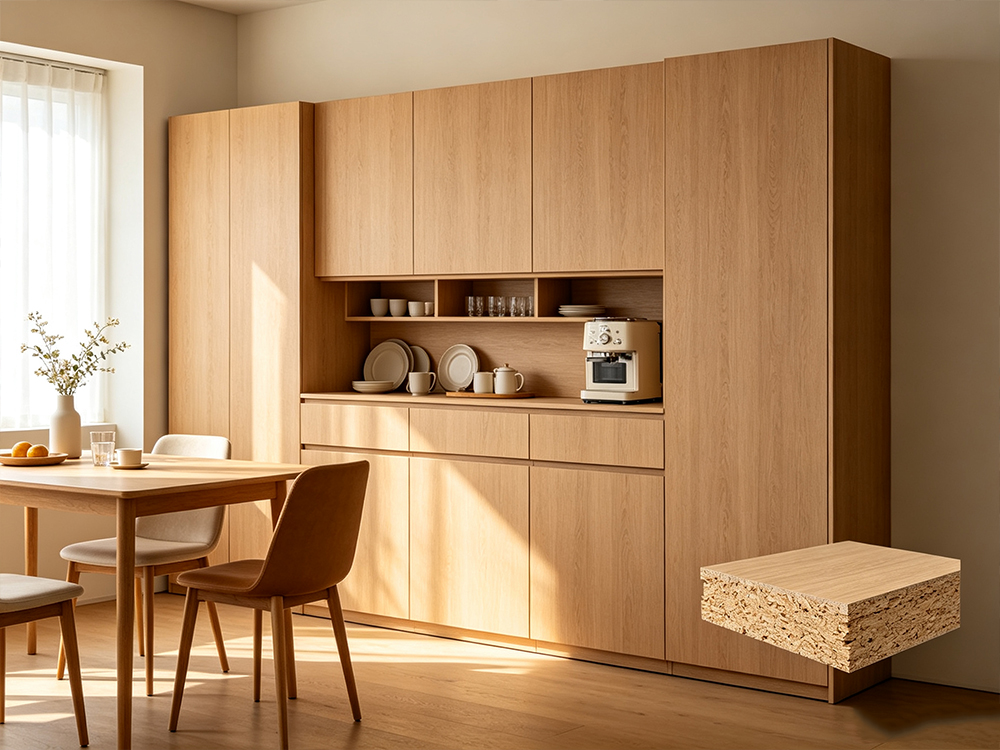
With the rapid development of intelligent manufacturing, modern particle board production lines continue to evolve toward higher automation, digital monitoring, energy efficiency, and environmental sustainability. These trends are reshaping the wood panel industry and driving manufacturers to upgrade their production capabilities.
Technologies such as remote diagnostics, predictive maintenance, automatic quality inspection, and industrial data management are becoming standard features in advanced production facilities. These intelligent systems allow manufacturers to monitor equipment in real time, detect potential issues before they cause downtime, and maintain consistent product quality with minimal manual intervention.
In addition, growing environmental regulations and market demand for sustainable products are pushing production lines to adopt cleaner technologies, reduce emissions, and improve raw material utilization. Modern lines are increasingly designed to use recycled wood and production waste more efficiently, supporting the transition toward a circular economy in wood panel manufacturing.
For manufacturers seeking higher productivity and long-term competitiveness, investing in a fully automatic particle board production line is an effective way to improve operational efficiency and product quality while reducing production costs. As technology continues to advance, automation will remain a key driver of innovation and growth in the global particle board industry.
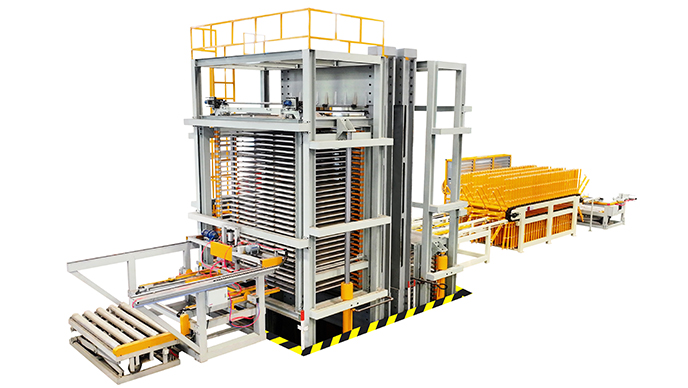
2026/07/20
Discover the hot press machine, essential in plywood manufacturing, and its role in creating high-quality wood products.
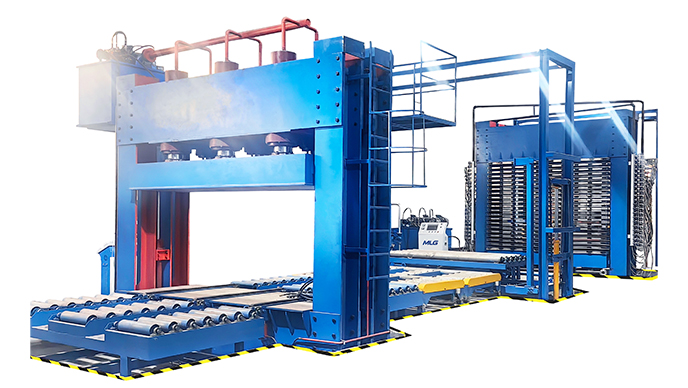
2026/07/01
Explore the complete manufacturing process of plywood production lines and their efficient operation.

