 AR
AR
What Is an Automatic Particle Board Production Line? A Complete Guide to Modern Panel Manufacturing
2026/07/10
Discover the essentials of automatic particle board production lines and modern panel manufacturing techniques.

2026/07/01
Plywood: A Versatile Engineered Wood Product
Plywood is one of the most popular engineered wood products used in construction, furniture, packaging, flooring, and interior decoration. Due to its high strength, excellent stability, and wide range of applications, plywood has become an important material in the global wood industry.
Producing high-quality plywood requires a complete manufacturing process, including log preparation, veneer peeling, drying, gluing, lay-up, pressing, finishing, and quality inspection. Each stage plays a critical role in determining the final strength, appearance, and durability of the finished board.
A modern plywood production line combines advanced machinery, automation technology, and precise process control to ensure stable production and consistent product quality. From raw log handling to final packaging, every step is carefully coordinated to maximize efficiency, reduce waste, and meet the growing demand for high-performance plywood in both domestic and international markets.
With the continued growth of construction, furniture, and interior decoration industries, plywood production is becoming increasingly automated and intelligent. Manufacturers that invest in advanced production lines are better positioned to improve productivity, reduce costs, and deliver high-quality products that meet evolving market requirements.
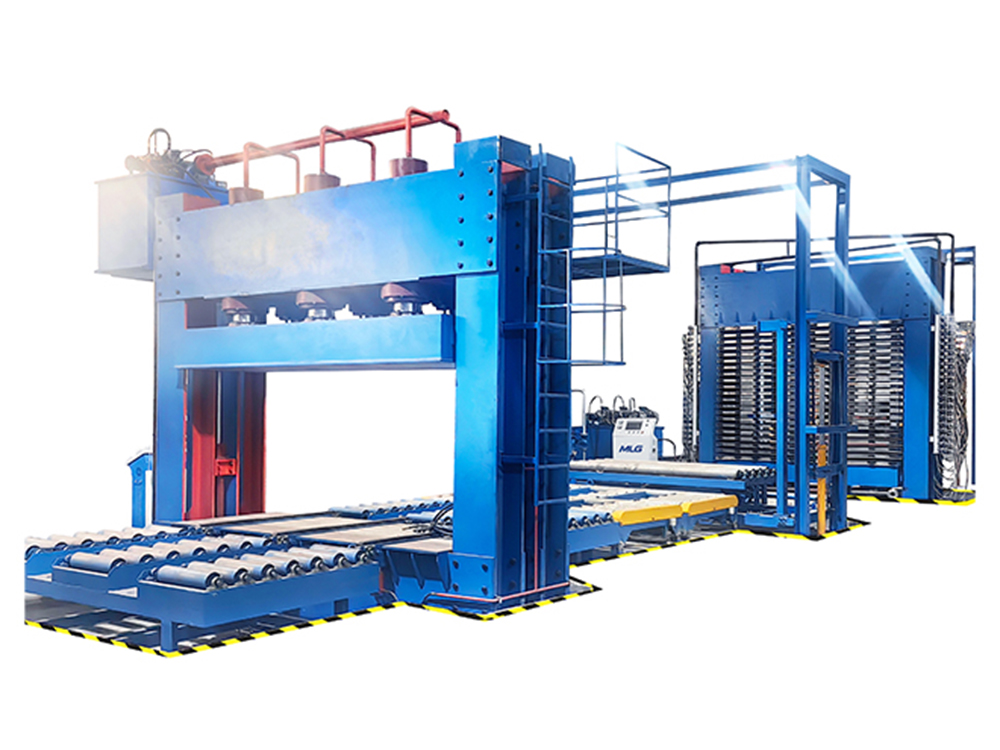
Step 1: Log Preparation
The production process begins with carefully selected logs. Common wood species include poplar, eucalyptus, birch, pine, and hardwood. Before peeling, logs are debarked and cut into suitable lengths.
Proper log preparation improves veneer quality, protects machinery, and increases raw material utilization.
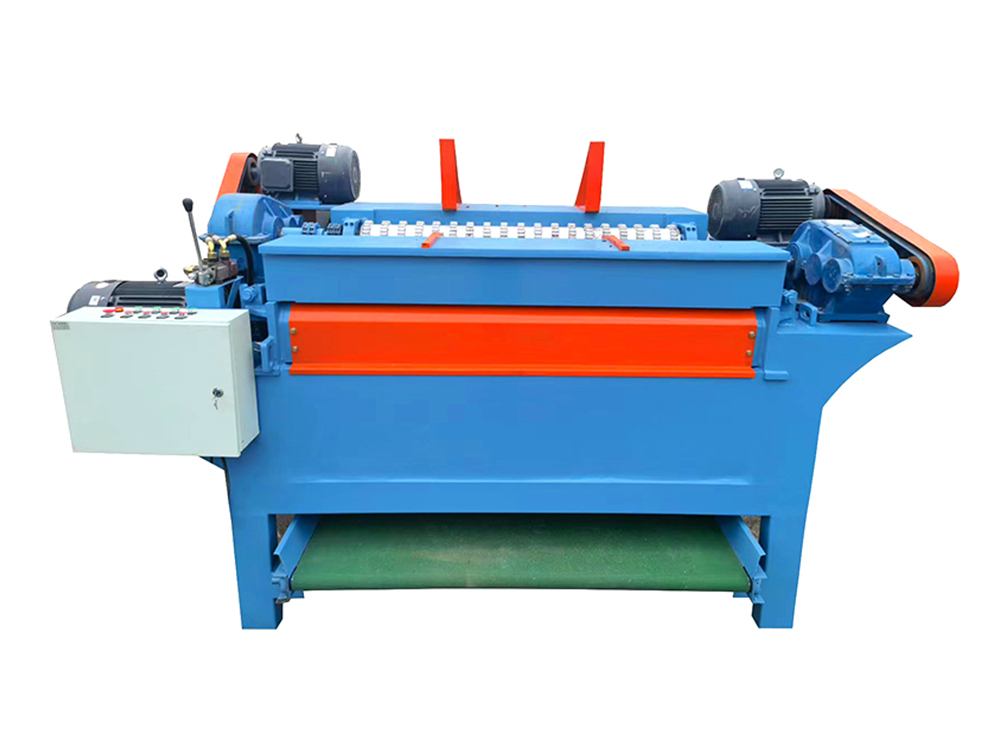
Step 2: Veneer Peeling
Prepared logs are processed by veneer peeling machines to produce thin wood veneers with uniform thickness.
Modern spindle and spindleless veneer peeling machines use servo control and automatic thickness adjustment systems to improve precision and reduce veneer defects.
High-quality veneers provide a strong foundation for the following plywood production processes.
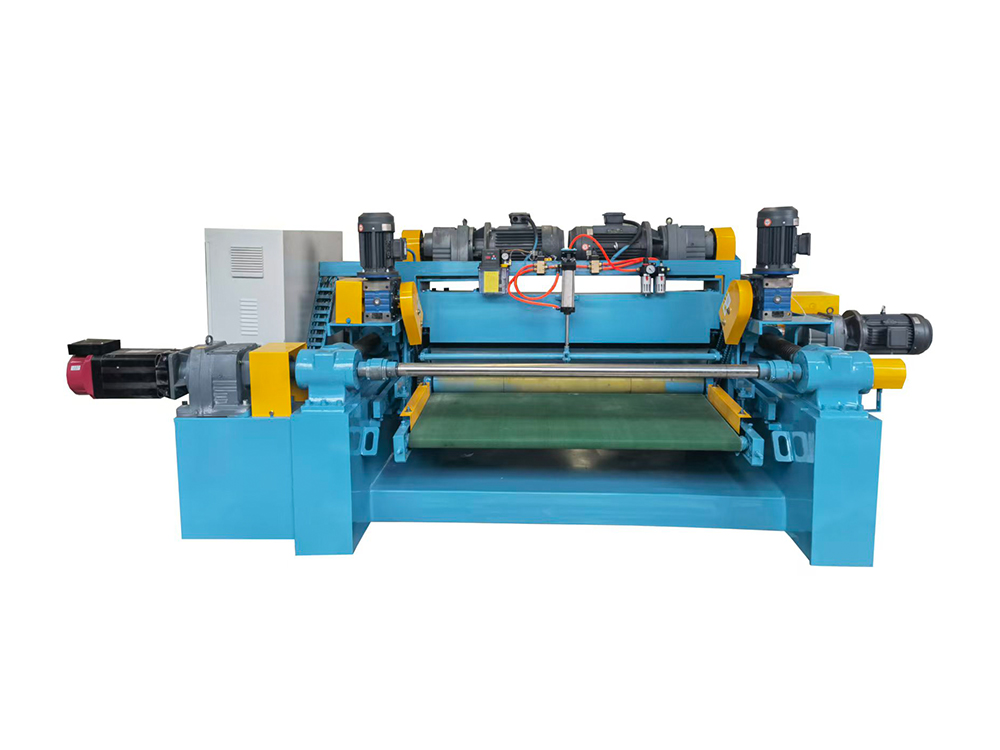
Step 3: Veneer Drying
Fresh veneer contains high moisture and must be dried before gluing. Manufacturers usually use roller veneer dryers or mesh-belt veneer dryers to reduce moisture content.
Proper drying improves adhesive performance and prevents problems such as delamination, deformation, and unstable panel dimensions.
Automatic temperature control and energy-saving technologies help improve drying efficiency and reduce production costs.
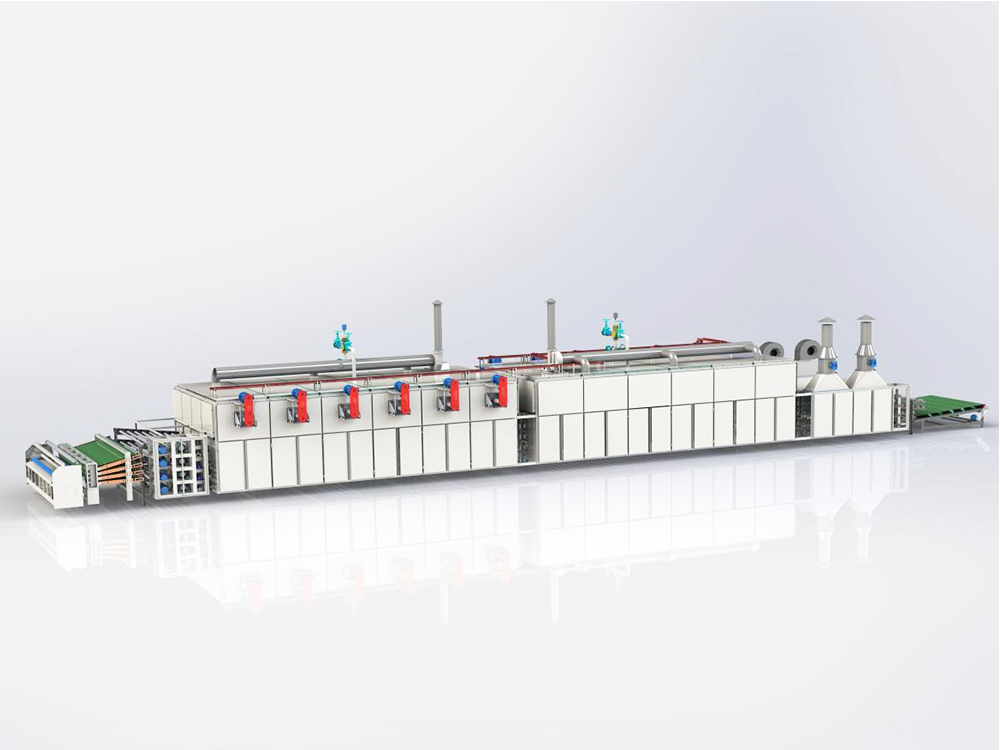
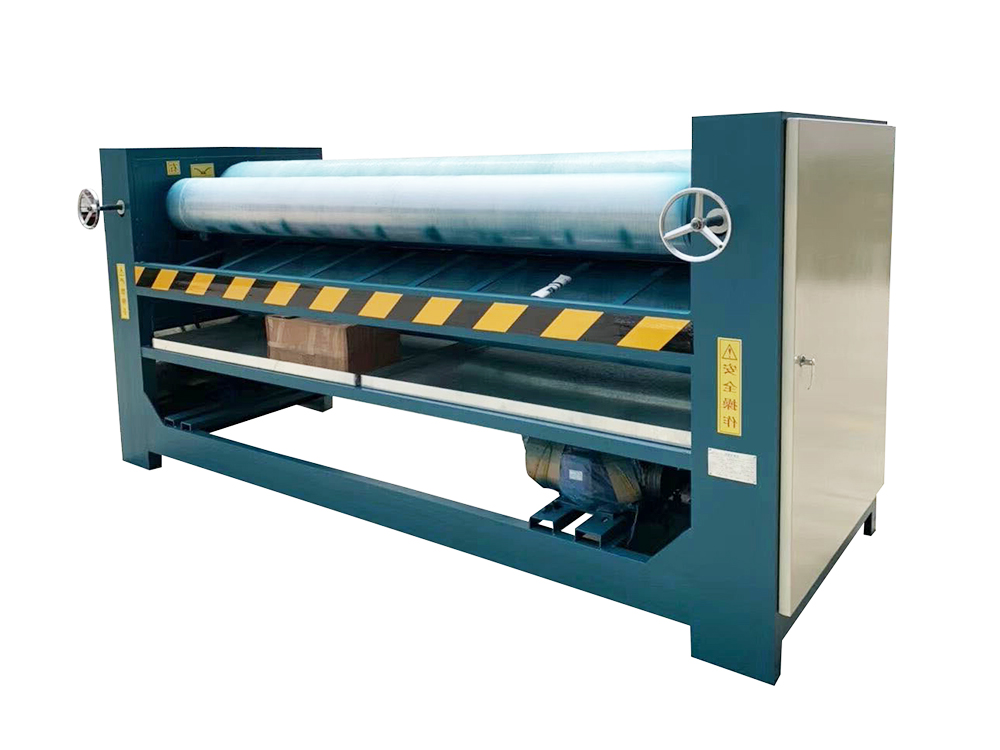
Step 4: Gluing and Lay-up
After drying, veneers pass through a glue spreader, where adhesive is evenly applied to the surface.
The veneers are then arranged according to the required plywood structure. Adjacent layers are usually placed with grain directions perpendicular to each other, improving strength and dimensional stability.
The number of veneer layers depends on the required thickness and application of the final plywood product.
Step 5: Cold Pressing
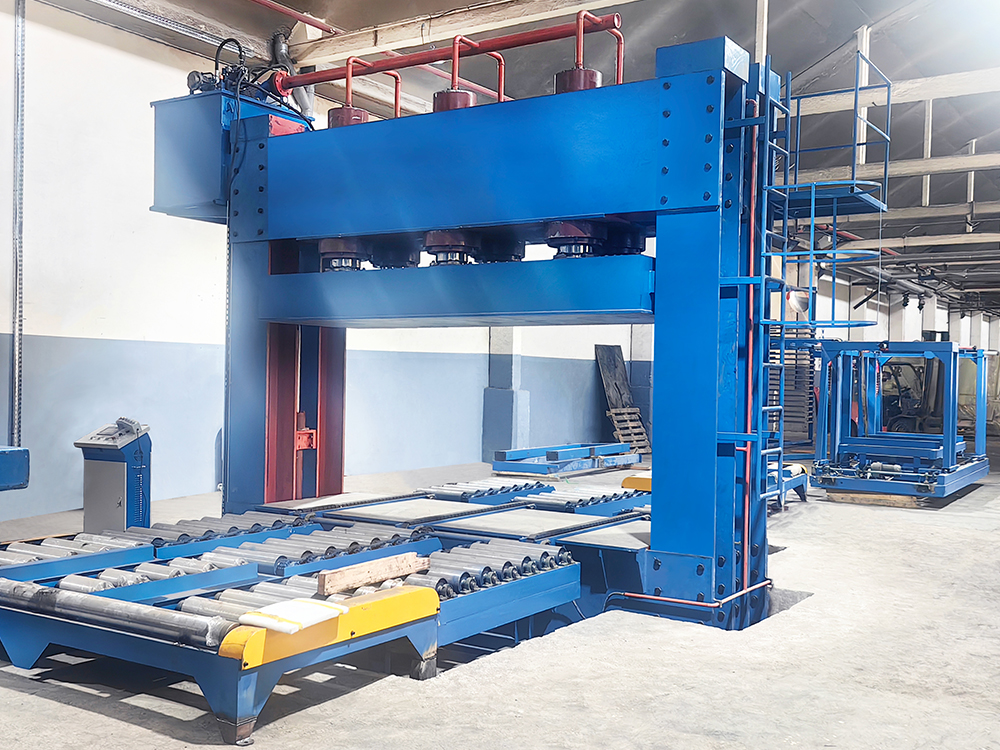
The assembled veneer stacks are placed into a cold press machine before hot pressing.
Cold pressing improves panel flatness, strengthens the initial bonding between veneers, and helps distribute adhesive evenly.
This step prepares the panels for the final hot pressing process.
Step 6: Hot Pressing
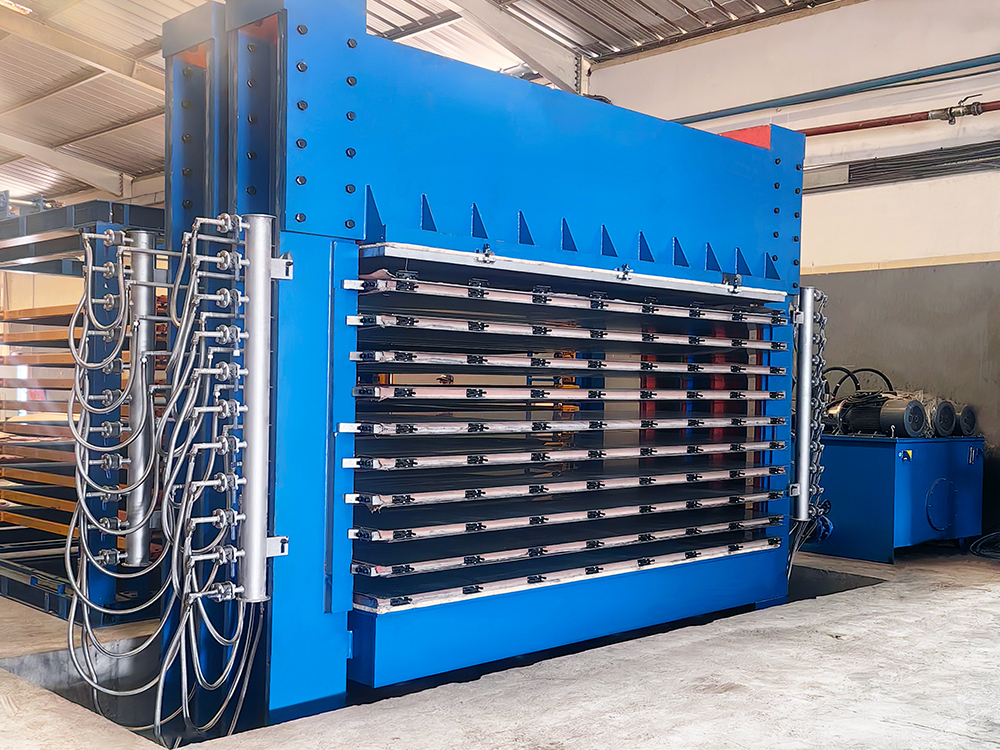
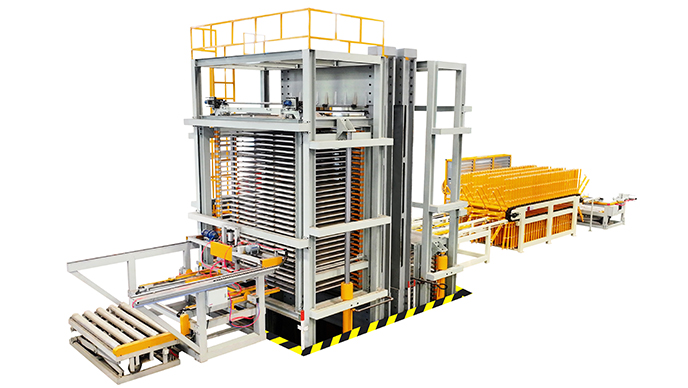
The hot press machine is the key equipment in a plywood production line.
Under high temperature and pressure, the adhesive cures and permanently bonds the veneer layers together to form strong plywood panels.
Modern hot presses can be equipped with automatic loading and unloading systems, PLC control, and intelligent monitoring systems to improve efficiency and product consistency.
Step 7: Finishing
After pressing, plywood panels are trimmed, sanded, inspected, and stacked.
Sanding improves surface smoothness and thickness accuracy, while quality inspection checks dimensions, bonding performance, moisture content, and appearance.
Qualified plywood panels are packaged and prepared for delivery to customers.
The Importance of a Complete Plywood Production Line
A well-designed plywood production line requires efficient cooperation between all machines, including veneer peeling machines, dryers, glue spreaders, presses, sanding machines, and material handling systems.
Automation technology helps manufacturers reduce labor costs, improve production efficiency, reduce material waste, and maintain stable product quality.
When designing a plywood factory, factors such as raw material type, production capacity, product specifications, energy supply, factory layout, and automation level should all be considered.
Conclusion
Modern Plywood Production Line: From Raw Logs to High-Quality Plywood
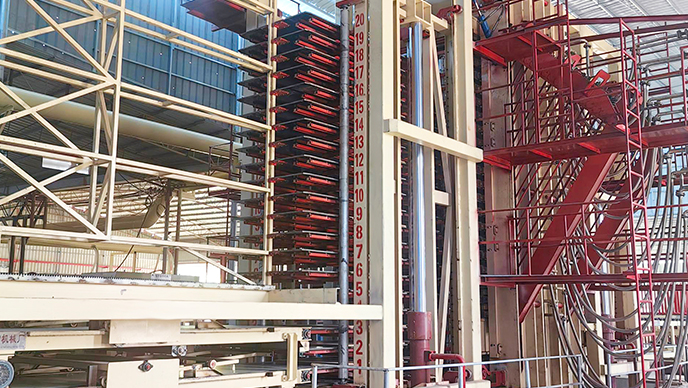
A modern plywood production line transforms raw logs into high-quality plywood through a series of carefully controlled processes, including veneer peeling, drying, gluing, pressing, and finishing. Each stage is designed to maximize material utilization, ensure precise thickness control, and maintain consistent bonding strength throughout the final product.
With the development of automation and intelligent manufacturing technologies, plywood manufacturers can achieve higher efficiency, lower production costs, and more consistent product quality. Advanced control systems enable real-time monitoring of key parameters such as veneer moisture content, glue spread rate, pressing temperature, and pressure, helping to reduce defects and minimize waste.
A properly configured plywood production line provides reliable production capability and stronger competitiveness in the global plywood market. By combining high-performance machinery with optimized process control, manufacturers can meet the growing demand for high-quality plywood in construction, furniture, packaging, flooring, and interior decoration applications.
As the industry continues to move toward digitalization and sustainable manufacturing, investing in an advanced plywood production line is a strategic step for manufacturers seeking long-term growth and market leadership.
2026/07/10
Discover the essentials of automatic particle board production lines and modern panel manufacturing techniques.
2026/07/20
Discover the hot press machine, essential in plywood manufacturing, and its role in creating high-quality wood products.

