Plywood Press for Sale: Key Considerations

application/plywood-press-for-sale, application/plywood-press-for-sale, 
Inquiry
Inquiry

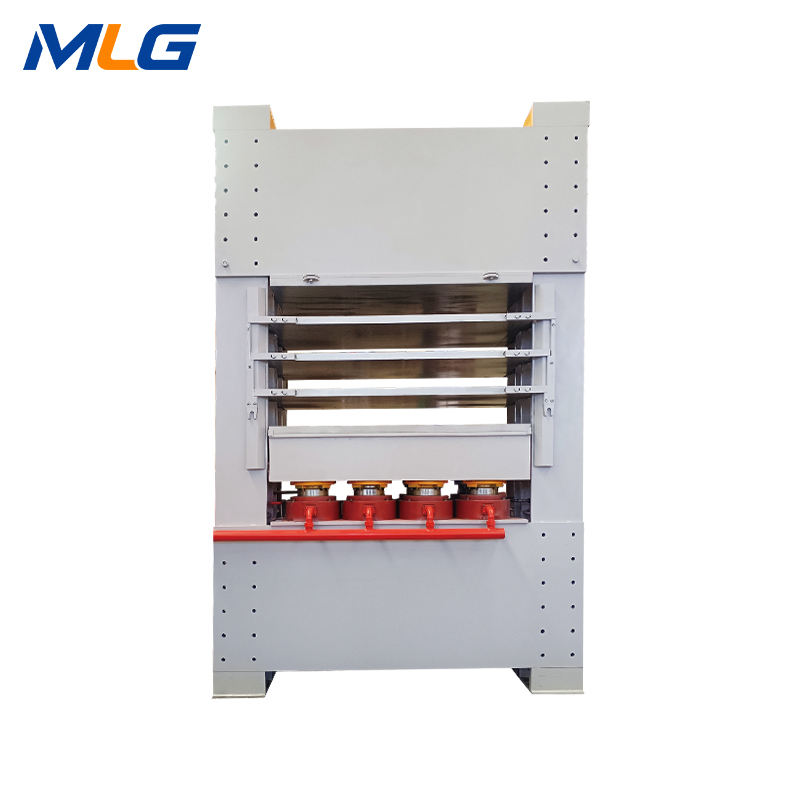
Plywood press for sale

When considering a plywood press for sale, it's essential to understand the intricacies of this machinery, as it plays a crucial role in the production of wood-based panels. Buyers, including purchasing managers and engineers, often have concerns about efficiency, quality, and compatibility with existing production lines. This article will cover key considerations, features to look for, quality control measures, installation guidance, and common issues faced in MLG plywood press operations, all tailored to help you make an informed decision. This article will help you to understand the product more, so keep on reading it all. 

What to Look For

When examining plywood presses for sale, focus on several key features: 

Pressure Range: The ability of the press to apply the necessary pressure is crucial for ensuring proper bonding of layers. Different applications may require varying pressure levels. 

Heating Method: Look for presses with efficient heating systems, as this can impact the curing time of adhesives used in plywood production. Options include hot oil or electric heating. 

Control Systems: Advanced control systems provide precise adjustments, enabling operators to optimize the pressing process. Look for user-friendly interfaces that allow easy monitoring and adjustments.  

Material Quality: The construction materials of the plywood press itself can affect its durability and performance. High-quality steel and robust components contribute to a longer service life. 

Energy Efficiency: Given rising energy costs, consider presses designed for energy efficiency. This not only reduces operational costs but also contributes to a more sustainable manufacturing process.

Evaluating Quality Control in Plywood Press Manufacturing

Quality control is paramount in MLG plywood press manufacturing. A reputable manufacturer will have rigorous testing protocols in place to ensure that each unit meets necessary specifications and performance standards. Look for manufacturers who provide: 

Detailed Specifications: Ensure that the manufacturer clearly outlines the technical parameters of the press, including pressure settings, heating specifications, and materials used. 

Certificates and Compliance: Verify that the equipment complies with industry standards. This includes certifications related to safety, quality, and environmental impact. 

Testing Procedures: Inquire about the testing procedures the manufacturer employs. This may include pressure testing, operational testing, and the inspection of finished products to ensure they meet quality standards. 

Establishing a trusting relationship with the manufacturer can also lead to better quality assurance. A manufacturer with a solid reputation in quality management often has a proven track record with existing customers.

Installation Guidance for Your New Plywood Press Equipment

Proper installation of a plywood press is critical to its performance and longevity. Before installation, ensure that your facility meets the necessary space and utility requirements such as electrical capacity and ventilation systems. 

Site Preparation: Prepare the installation site by ensuring adequate space for the press and any associated equipment. This also includes ensuring that the floor can support the weight of the press. 

Manufacturer Support: Engage the manufacturer for installation support. They often provide trained technicians who can assist with setup, ensuring that the press is calibrated correctly for optimal performance. 

Training for Operators: Schedule training sessions for your operators. Proper training on the machinery will help prevent operational issues and ensure that the equipment is used efficiently. 

Maintenance Schedule: Establish a maintenance schedule early on. Regular maintenance checks can prevent breakdowns and ensure that the hydraulic plywood press operates at peak efficiency.

Common Problems with Plywood Presses and Their Solutions

Plywood presses, like any industrial machinery, can encounter problems that may disrupt production. Here are some common issues and their solutions: 

Uneven Pressure Distribution: This can lead to subpar quality in the plywood produced. Regularly check the calibration of pressure gauges and ensure that all components are functioning correctly. 

Heating Issues: Inconsistent heating can affect adhesive curing. Regularly inspect heating elements and ensure that temperature controls are functioning appropriately. 

Mechanical Failures: Wear and tear on moving parts can lead to breakdowns. Implement a routine maintenance schedule that includes lubrication and replacement of worn components as needed. 

Material Compatibility: Sometimes, the type of wood or adhesive used can lead to issues in bonding. Conduct tests with different materials to find the best combinations for your production needs. 

By understanding and addressing these common issues, manufacturers can maintain efficient operations and reduce downtime, ultimately leading to better product quality and profitability. 

Investing in a plywood press is a significant decision that requires careful evaluation of both the equipment and the manufacturer. By focusing on the key considerations outlined, you can ensure that your investment meets your production needs effectively.

What to Consider When Buying a Plywood Press for Sale

When investing in a MLG plywood press, several factors must be evaluated. First, consider the production capacity. The press should meet your operational needs based on the volume of plywood you plan to produce. Next, assess the specifications of the press, including its size, weight, and maximum pressure capacity. This product is made with high-quality materials These elements directly influence the types of products you can manufacture and the efficiency of the production process. 

Additionally, consider the compatibility of the plywood pressing machine with your existing machinery. A mismatch in specifications can lead to operational inefficiencies and increased costs. Customization capabilities are also important; many manufacturers offer tailored solutions to fit specific production requirements. Lastly, evaluate the support services provided by the manufacturer, including installation, maintenance, and training, as these can significantly affect the longevity and performance of your investment.

Get a Free Quote

Our representative will contact you soon.
0/1000