Evaluating Plywood Press Machinery

application/plywood-press, application/plywood-press, 
Inquiry
Inquiry

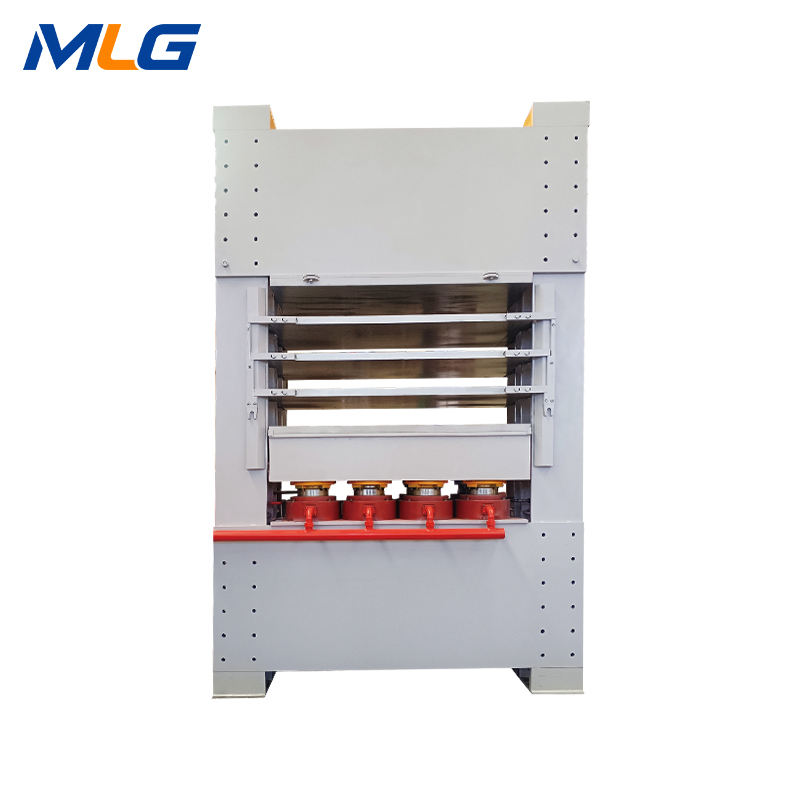
Plywood press

Plywood presses are essential machinery in the wood processing industry, allowing for efficient production of high-quality plywood sheets. As a purchasing manager, distributor, or product manager, understanding the nuances of plywood pressing machine is critical to ensuring that your production lines run smoothly and yield the desired product quality. This article will guide you through evaluating the quality of plywood presses, understanding cost factors, best practices for operation, troubleshooting common issues, and exploring the various applications of these machines in different industries. 

Understanding the Cost Factors for Plywood Press Solutions

The cost of plywood press machinery can vary significantly based on several factors. First, the type of press you choose will influence the overall price. Hydraulic plywood presses, while often more expensive initially, can provide long-term savings due to their efficiency and lower maintenance needs compared to mechanical presses. 

Customization options can also impact pricing. If your production requires specific features such as unique dimensions or enhanced control systems, these customizations may lead to higher costs. Ensure you discuss all your operational needs with the supplier to receive an accurate quote.  

Additionally, consider the total cost of ownership, which includes installation, maintenance, and operational energy costs. A machine with a higher upfront cost may prove more economical in the long run if it offers greater energy efficiency and requires less frequent maintenance. Understanding these cost factors can help you prepare a realistic budget for your plywood press machinery investment. 

Best Practices

To maximize the performance and lifespan of your plywood press machinery, adherence to best practices is essential. First, regular maintenance should be scheduled to ensure all components are functioning correctly. This includes checking hydraulic fluids for hydraulic presses, inspecting heating elements for wear, and ensuring that all moving parts are lubricated and free of debris. 

Operator training is another crucial aspect. All personnel should understand the specific operating procedures for your plywood press, including how to properly load materials and adjust settings based on product specifications. This training can minimize the risk of operator error, which can lead to costly downtime or product defects. 

Additionally, always conduct a thorough inspection of incoming materials. Quality raw materials contribute significantly to the performance of your plywood press. Defective or poorly suited timber can result in production inefficiencies and compromised product quality, which can affect downstream processes and customer satisfaction. 

Common Problems with Plywood Presses and Effective Solutions

Plywood presses, like any machinery, can encounter various issues that may disrupt production. One common problem is uneven pressure distribution, which can lead to inconsistent plywood thickness. This issue can often be resolved by regularly calibrating the pressure settings and ensuring that the press bed is level. 

Another frequent issue is overheating, especially in hot presses. This can be mitigated by monitoring the temperature closely and ensuring proper airflow around the machine to prevent heat buildup. Regular maintenance of heating elements is also crucial to avoid failures that can halt production. 

Finally, operators may encounter jams caused by misaligned materials. To address this, ensure that all operators are trained to correctly position wood layers before pressing and to monitor the loading process closely to catch any misalignments early.  

Applications of Plywood Presses in Various Industries

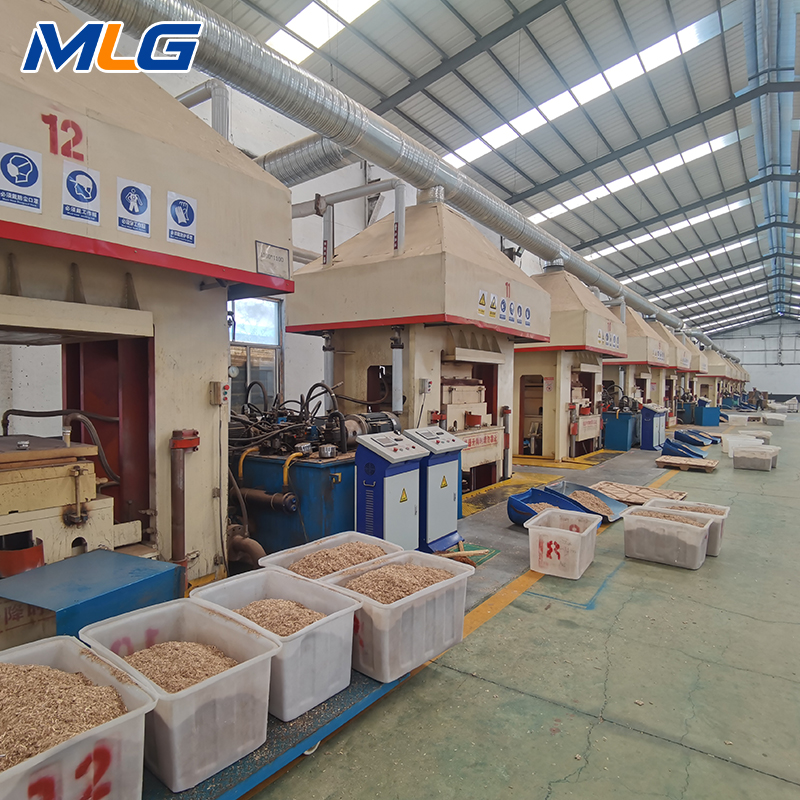
Plywood presses find applications across multiple industries, with the most prominent being furniture manufacturing, construction, and flooring. In furniture manufacturing, high-quality plywood is essential for producing durable pieces that meet consumer demands for aesthetics and longevity. 

In the construction industry, plywood is widely used for structural applications, such as wall sheathing and roofing. The laminated nature of hot press for plywood, produced through pressing, provides excellent strength-to-weight ratios, making it a preferred material for builders. 

Additionally, the flooring industry employs plywood for its versatility in crafting engineered wood flooring products. Plywood presses help create various thicknesses and finishes, allowing manufacturers to cater to different aesthetic preferences and performance requirements. 

Understanding these applications can help buyers tailor their purchasing decisions based on the specific needs of their target markets, ensuring that they select the appropriate machinery to meet production demands. 

By gaining insights into the evaluation, cost factors, best practices, troubleshooting, and applications of plywood presses, buyers can make informed decisions that enhance their production capabilities and product quality.  

How to Evaluate the Quality of Plywood Press Machinery

When evaluating plywood press, several key specifications should be prioritized to ensure optimal performance and durability. First, consider the plywood press solutions: hydraulic, mechanical, or hot-press. Hydraulic presses, for example, offer precise pressure control which can be crucial for achieving consistent thickness and quality in the plywood sheets. Mechanical presses may be less expensive but often lack the same level of pressure control. 

Next, check the machine’s construction and materials. High-quality plywood presses are typically constructed with robust steel frames to withstand heavy loads and prevent deformation over time. The quality of the heating elements is also crucial, especially for hot presses, as they must maintain consistent temperatures for effective bonding of the wood layers. 

Another critical factor is the machine's production capacity, which should align with your operational requirements. It is advisable to evaluate your expected output and compare it against the press’s specifications. Additionally, inquire about the manufacturer's quality control processes, as a reliable supplier will ensure that their machinery is tested for performance and durability before reaching your facility. 

Get a Free Quote

Our representative will contact you soon.
0/1000