Choosing the Right Turnover Machine for Production

application/turnover-machine, application/turnover-machine, 
Inquiry
Inquiry

Turnover machine

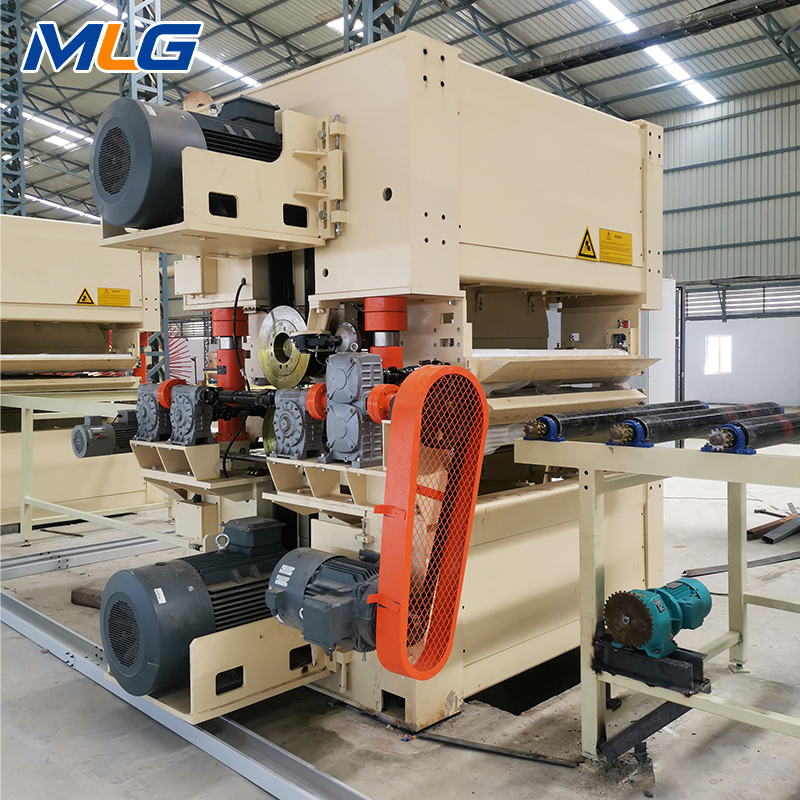
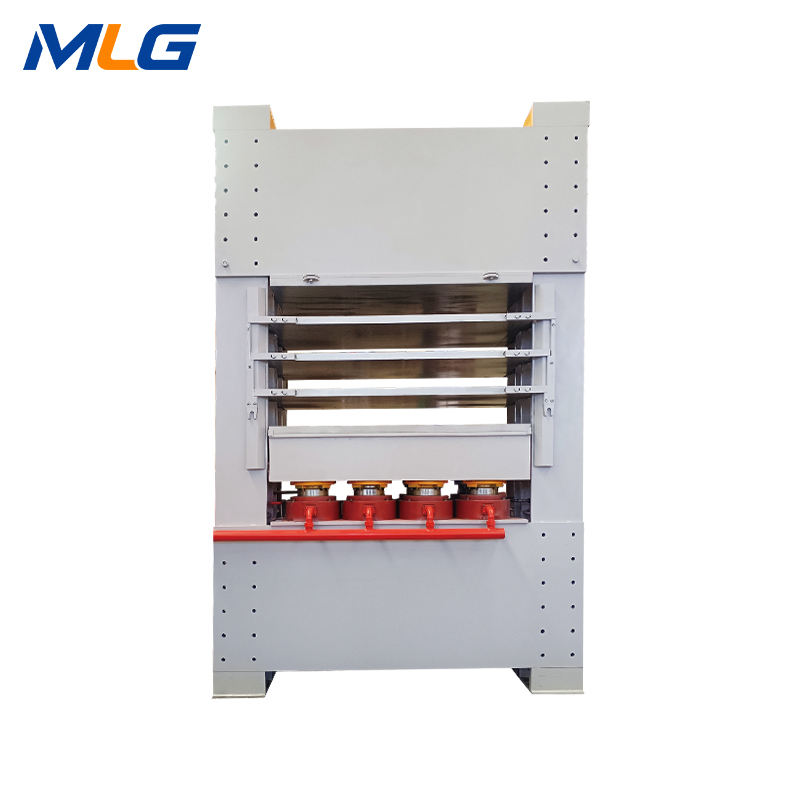
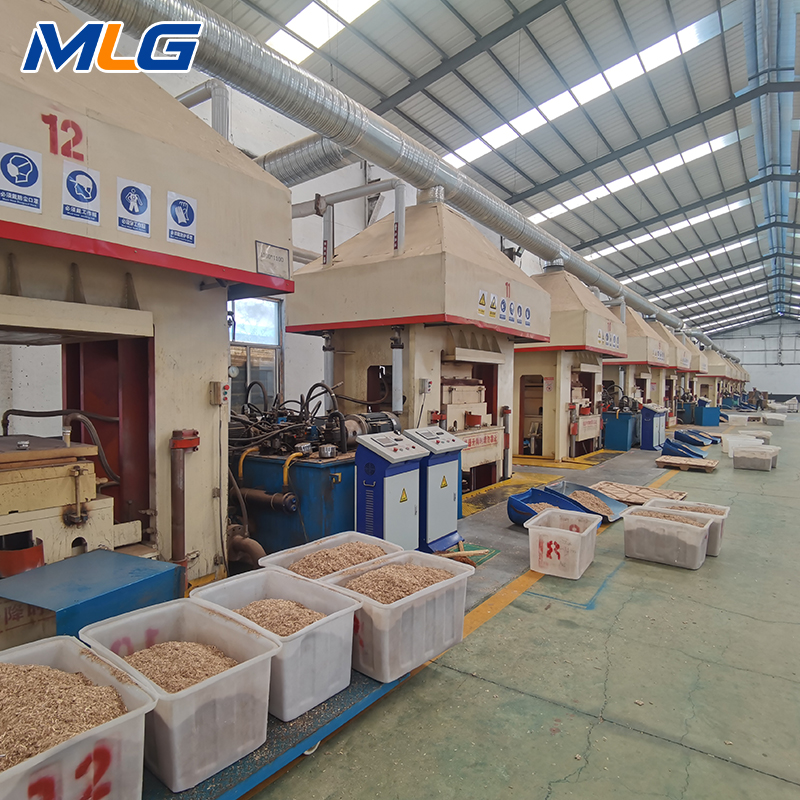
Turnover machines play a critical role in the manufacturing of wood-based panels, ensuring efficient handling and processing of materials like plywood, particleboard,  OSB, and MDF. As a purchasing manager or engineer, understanding the right turnover machine sale for your production needs involves balancing quality, cost, and installation considerations. This article will guide you through selecting the best turnover machine ensuring that your production line operates smoothly and meets your business demands. 

Understanding the Quality Control in Turnover Machine Manufacturing

Quality control is essential in the manufacturing of turnover machines, as it directly impacts their performance and longevity. Here are key quality control processes to consider: 

Material Selection: The durability of a turnover machine often hinges on the quality of materials used in its construction. Ensure that the manufacturer uses high-grade steel and other materials that can withstand the rigors of daily operation. 

Manufacturing Standards: Verify that the manufacturer adheres to recognized industry standards. This includes certifications for safety and performance, which can be a good indication of the machine's reliability. 

Testing Procedures: Inquire about the testing processes the manufacturer employs before shipping. Machines turnover machine should undergo operational tests to ensure they perform as expected under real-world conditions. 

Post-Production Inspections: A reputable manufacturer will conduct thorough inspections of the machine after assembly to identify any defects or issues that could affect performance. 

By focusing on these quality control aspects, you can ensure that the turnover machine you purchase will meet your production needs effectively. 

Features and Benefits for Buyers

When evaluating turnover machines, it is essential to understand the features that will benefit your operations: 

Automated Functions: Many modern turnover machines come with automation features that reduce the need for manual handling, increasing efficiency and reducing labor costs. 

Speed and Efficiency: Look for machines that offer high turnover speeds while maintaining precision. This can significantly enhance production rates without compromising quality. 

User-Friendly Controls: Machines with intuitive controls can simplify operation and maintenance, allowing operators to focus on production rather than troubleshooting complex systems. 

Durability and Maintenance: Select machines that are built for longevity and require minimal maintenance. This turnover machine can save costs in the long run and reduce downtime during production. 

Energy Efficiency: An energy-efficient machine can lower operational costs, making it a more sustainable choice for your manufacturing facility. 

These features not only enhance production efficiency but also provide long-term value, making them important considerations when selecting a turnover machine. 

Cost Factors to Consider When Purchasing a Turnover Machine

Understanding the total cost of ownership is crucial when purchasing a turnover machine. Here are factors that can influence pricing: 

Initial Purchase Price: While it may be tempting to choose the lowest-priced option, consider the quality and features that come with the price. A more expensive machine may offer better performance and durability. 

Customization Costs: If you require specific features or sizes, customization can add to the initial price. Discuss these requirements early with your supplier to get accurate cost estimates. 

Operating Costs: Evaluate the machine's energy consumption and maintenance requirements. Machines with lower operating costs may provide better long-term savings. 

Warranty and Support: Consider the warranty offered by the turnover machine manufacturer. A longer warranty might indicate confidence in the machine's durability and can save costs on repairs. 

Shipping and Installation: Don’t forget to factor in transportation costs and any installation fees. These can vary significantly based on the machine's size and complexity. 

By carefully considering these cost factors, you can make a more informed decision that aligns with your budget and production goals. 

Installation Guidance for Efficient Use of Your Turnover Machine

Proper installation is vital for ensuring that your turnover machine operates efficiently. Here are key points to consider during the installation process: 

Site Preparation: Ensure that the installation area is prepared according to the manufacturer's specifications. This includes adequate space, power supply, and any necessary structural support. 

Professional Setup: Engage professionals for the installation to avoid potential issues. Improper installation can lead to operational inefficiencies and safety hazards. 

Calibration and Testing: After installation, the machine should be calibrated according to your production requirements. Conduct thorough testing to confirm that it operates smoothly and meets performance expectations. 

Training for Operators: Provide comprehensive training for operators on how to use the mdf board making machine effectively. This not only improves efficiency but also reduces the risk of accidents and mistakes during operation. 

Maintenance Schedule: Establish a maintenance schedule post-installation to ensure the turnover machine remains in optimal condition. Regular maintenance can prevent costly repairs and extend the machine's lifespan. 

By following these installation guidelines, you can maximize the efficiency and reliability of your turnover machine, ultimately contributing to the success of your production line. 

How to Choose the Right Turnover Machine for Your Production Needs

Selecting the appropriate turnover machine requires a clear understanding of your production requirements. Consider factors such as the type of panels you produce, the dimensions of your materials, and your existing machinery. 

Production Volume: Determine the expected output of your production line. A higher volume may necessitate a more robust turnover machine that can handle frequent operations without downtime. 

Panel Size and Weight: Different turnover machines are designed for specific sizes and weights. Ensure that the machine you choose can accommodate the dimensions and weight of your panels to avoid operational issues. 

Compatibility with Existing Equipment: Assess how the mdf making machine will integrate with your current production setup. Compatibility is crucial to maintain workflow efficiency. 

Customization Options: If your production needs are unique, consider machines that turnover machine allow for customization in terms of size, features, and operational capabilities. 

Supplier Expertise: Partnering with a manufacturer that understands the nuances of your industry can significantly impact your decision. Companies like Shandong Menglianggu Machinery, which specialize in wood-based panel production lines, can provide valuable insights into selecting the right machine. 

Frequently Asked Questions

What is the turnover machine used for?

The turnover machine flips wood-based panels such as plywood, particleboard, OSB, and MDF during production to ensure accurate stacking, drying, and further processing.
It integrates with plywood, particleboard, OSB, and MDF production lines and can be configured for various panel sizes and workflows.
Capacities and size ranges are customizable; please provide your panel dimensions and throughput needs for precise specifications and matching.
Yes. We offer factory design, installation guidance, commissioning, and ongoing technical support across projects in multiple countries.
We provide warranty coverage, spare parts supply, remote troubleshooting, and on-site maintenance support to ensure reliable operation.

Get a Free Quote

Our representative will contact you soon.
0/1000