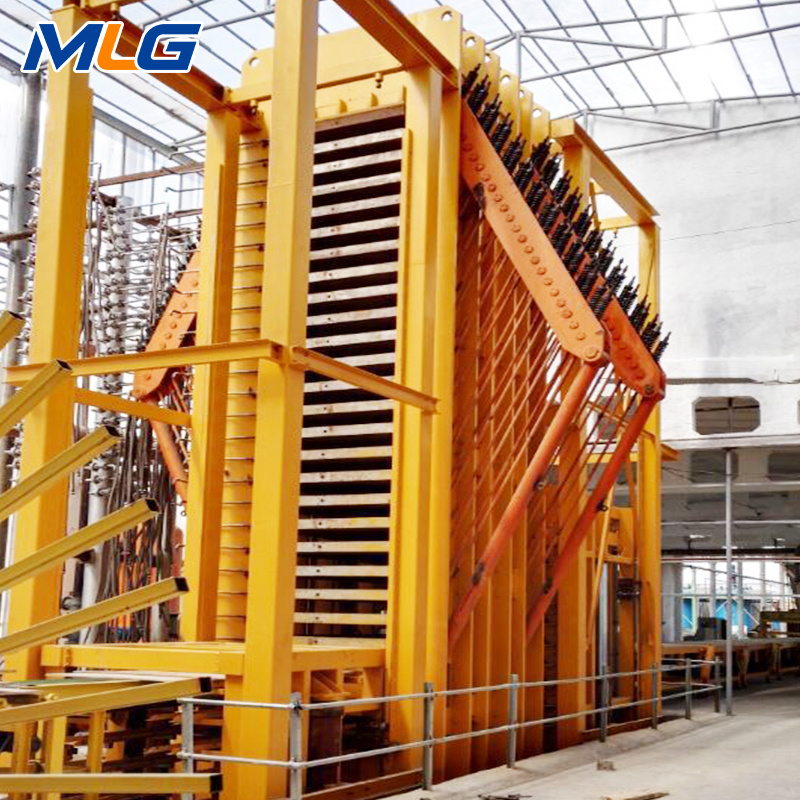
Choosing the Right OSB Machine for Your Production

application/osb-machine, application/osb-machine, 
Inquiry
Inquiry

Osb machine

Choosing the right OSB machine is critical for manufacturers aiming to produce oriented strand board efficiently and effectively. OSB machines are specialized equipment designed to process wood strands into a versatile panel product used in construction and furniture. Buyers typically seek reliable performance, cost efficiency, and durability when selecting an OSB machine. This article will guide you through the essential considerations for choosing an OSB machine, specifications to evaluate, supplier options, common issues, and best practices to ensure a successful purchasing experience.

Key Specifications to Consider for OSB Machine Selection

When evaluating OSB machines, several key specifications should be prioritized to ensure optimal performance and reliability: 

Production Capacity: This is measured in cubic meters per hour and should align with your projected output needs. A machine with a higher capacity can decrease production time but may also require a larger initial investment. 

Strand Size: The capability of the OSB machine to handle different strand sizes is critical. Machines that can accommodate variable strand dimensions provide greater flexibility in product offerings. 

Pressing Mechanism: The type of pressing technology (e. g., hot press or cold press) significantly affects the quality of the final product. Hot presses generally offer better bonding and surface finish but may demand higher energy input. 

Control System: An advanced control system enhances operational efficiency and product consistency. Look for OSB machine that provide automation features, such as real-time monitoring and adjustments based on production parameters. 

Material Handling: Assess the machine's material feeding and handling capabilities. Efficient feeding systems can reduce waste and improve throughput. 

Energy Consumption: Evaluate the energy efficiency of the machine, as this impacts operational costs. OSB machine designed with energy conservation in mind can lead to significant savings over time. 

By carefully considering these specifications, buyers can select an OSB machine that meets their specific operational needs and helps optimize production efficiency. 

Where to Find Reliable Suppliers of OSB Machinery

Identifying trustworthy suppliers of OSB machinery is crucial for ensuring quality and support throughout the purchasing process. Start by researching manufacturers with a proven track record in the industry. Look for companies that specialize in wood-based panel production and have experience in exporting machinery to different markets, as they are likely to understand varied compliance and performance standards. 

Trade shows and industry exhibitions often showcase leading suppliers, providing an excellent opportunity to see automatic particle board/OSB production line machines in action and meet representatives face-to-face. Online platforms and industry directories can also be beneficial for finding suppliers and reading customer reviews. 

Furthermore, establishing a dialogue with potential suppliers can provide insights into their after-sales service, warranty offers, and technical support capabilities. A reliable supplier should be responsive and willing to provide detailed information about their machines, including technical specifications, customization options, and delivery timelines. 

Common Problems with OSB Machines and Effective Solutions

Operating an OSB machine can present various challenges that, if not addressed, may hamper production efficiency. Common issues include: 

Material Jamming: This can occur due to improper strand size or moisture content. Regular maintenance and calibration of the feeding system can help mitigate this issue. Ensuring that the material meets the specified requirements before processing is essential. 

Quality Variability: Inconsistent product quality can arise from fluctuations in temperature or pressure during the pressing process. Implementing stringent monitoring systems can help maintain consistency. Additionally, regular training for operators on machine settings and adjustments can enhance product quality. 

Wear and Tear of Components: OSB machines are subject to significant wear, particularly in high-throughput environments. Routine inspections and timely replacement of components can prevent unexpected downtime. Investing in high-quality parts can also reduce long-term maintenance issues. 

Energy Inefficiency: Over time, machines may become less energy-efficient due to wear or outdated technology. Regular audits of energy consumption can identify opportunities for improvement, such as upgrading to more efficient components or retrofitting existing machines for better energy performance. 

By proactively addressing these common challenges, manufacturers can enhance operational efficiency and minimize production disruptions. 

Best Practices

To maximize the effectiveness of your OSB machine, consider the following best practices: 

Conduct Thorough Research: Before finalizing your purchase, gather comprehensive information on various OSB machines and their specifications. Compare features, prices, and supplier reputations. 

Request Samples: If possible, request samples of products produced by the machine. This helps in assessing the quality and suitability of the machine for your specific needs. 

Understand Customization Options: Many manufacturers offer customization for their machines. Discuss your specific production requirements with the supplier to explore options that can optimize the machine for your needs. 

Plan for Training: Ensure that operators are adequately trained on the machine's operation and maintenance. This will not only improve efficiency but also prolong the particle board machine's lifespan. 

Monitor Performance Regularly: Implement a system for regular performance evaluation of the machine. This can help identify potential issues before they escalate and ensure consistent quality in production. 

By adhering to these best practices, manufacturers can enhance their investment in OSB machinery, leading to improved production outcomes and satisfaction in meeting customer demands. 

Selecting the right OSB machine requires careful consideration of production needs, specifications, and supplier reliability. By following the guidelines outlined, buyers can make informed decisions that will support their operational goals and enhance their product offerings. 

How to Choose the Right OSB Machine for Your Production Needs

Selecting the right OSB machine involves assessing your production capacity, the specific requirements of your end products, and your operational budget. Start by defining your production volume; OSB production line vary significantly in capacity from small-scale models to industrial systems capable of producing large quantities. 

Next, consider the material type and strand size you plan to use. Different OSB machines may excel with specific wood species or strand configurations. Additionally, evaluate the machine's adaptability to various product designs, such as thickness and surface finish, which can impact your ability to meet customer specifications. 

Lastly, factor in the total cost of ownership, which includes not only machine purchase price but also energy consumption, maintenance costs, and the potential need for customizations. This comprehensive approach will help ensure that the OSB machine you choose aligns with both your current production needs and future growth plans. 

Get a Free Quote

Our representative will contact you soon.
0/1000