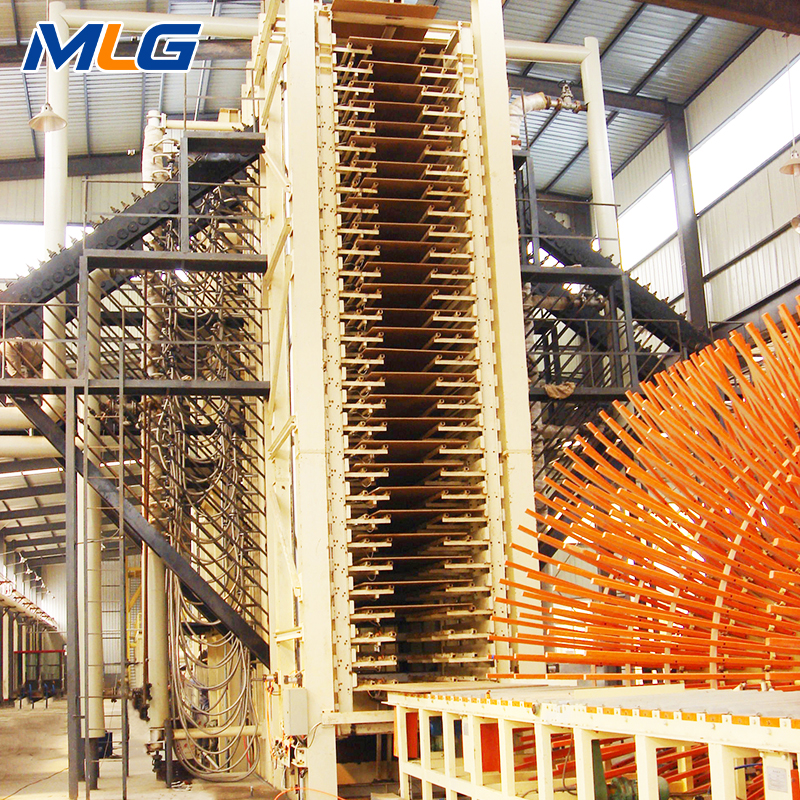
MDF Plant: Key Specifications and Supplier Evaluation

application/mdf-plant, application/mdf-plant, 
Inquiry
Inquiry

Mdf plant

MDF (Medium Density Fiberboard) is a versatile engineered wood product commonly used in furniture, cabinetry, and decorative applications. As a B2B buyer, you may have specific concerns about the quality, specifications, and sourcing of MDF products. This article will explore the MDF products key aspects of MDF plants, from essential specifications to supplier evaluation, helping you make informed purchasing decisions while ensuring the products meet your operational needs. 

What to Look for in Suppliers

Choosing the right supplier for MDF products is vital for ensuring quality and reliability. Here are some key factors to consider:

Manufacturing Capabilities: Investigate if the supplier has advanced machinery and technology for producing MDF. High-quality production equipment can significantly affect the final product's quality and consistency. 

Customization Options: Not all projects have the same requirements. Suppliers who offer customization in terms of size, thickness, and finish can better meet your specific needs. Discuss your requirements upfront to explore available options. 

Certifications: Check for relevant industry certifications such as ISO 9001 for quality Plywood Hot Press Machine management and certifications for formaldehyde emissions. These provide assurance regarding the MDF products supplier's commitment to quality and environmental standards. 

Experience and Reputation: Look for MDF products suppliers with a proven track record in the industry. Experience often correlates with reliability and expertise, which can be crucial when addressing any production issues. 

Customer Support: Good suppliers provide comprehensive support, including technical assistance and communication throughout the purchasing process.  Assess their responsiveness and willingness to address your questions or concerns. 

By evaluating these aspects, you can select a supplier that aligns with your operational goals and ensures the reliability of your MDF products. 

Cost Factors to Consider When Purchasing MDF Products

Understanding the cost structure of MDF products is essential for budgeting and financial planning. Here are the primary cost factors to consider:  

Material Quality: Higher-quality MDF may come at a premium price. However, investing in superior materials can lead to lower long-term costs due to reduced replacement and maintenance needs.  

Thickness and Density: Thicker and denser boards generally cost more. Buyers should assess their specific needs and balance between upfront costs and the performance benefits of higher density products. 

Customization and Finishing: Custom sizes and finishes can increase costs. It is important to evaluate whether the benefits of customization justify the additional expenses. 

Shipping and Logistics: Consider the cost of shipping, especially if sourcing from overseas. Shipping distances and logistics can significantly impact overall costs, so include these factors in your total cost calculations. 

Minimum Order Quantity (MOQ): Suppliers often have MOQs, which can affect your purchasing decisions. Ensure that MDF products your order size aligns with the supplier's requirements to avoid unnecessary costs. 

By taking these factors into account, you can better manage your budget and ensure that you receive quality MDF products that meet your project's demands. 

Common Installation Challenges with MDF Products and Solutions

While MDF is a popular material for various applications, installation can present challenges. Here are some common issues and their solutions: 

Warping During Installation: MDF can warp if exposed to moisture or improper handling. To mitigate this, ensure that the MDF is stored in a dry environment before installation and acclimated to the working conditions. 

Cutting and Machining: Cutting MDF can lead to chipping or splintering. Use specialized blades designed for MDF to achieve clean cuts, and consider using a scoring knife for thin sheets to reduce chipping. 

Adhesive Compatibility: Using the wrong adhesive can lead to bond failure. Ensure that the MDF products adhesive is compatible with MDF, particularly if applying veneers or laminates. 

Finishing Issues: Achieving a smooth finish can be challenging. Sanding the MDF products surface before painting or applying a veneer can enhance adhesion and overall appearance. Use a fine-grit sandpaper for the best results.  

Weight Considerations: MDF can be heavy, making installation difficult. Use appropriate lifting techniques and consider assistance or equipment for larger panels to ensure safe handling. 

Addressing these installation challenges proactively can help ensure a successful application of MDF products in your projects. 

A Buyeru2019s Guide

When preparing to purchase MDF products, consider the following steps to streamline the process: 

Define Your Requirements: Clearly outline the specifications needed for your project, including dimensions, thickness, and intended use. This will help narrow down potential suppliers and products. 

Request Quotations: Reach out to multiple suppliers with your requirements. Provide them with detailed information such as quantities, delivery locations and any customization needs to receive accurate quotes. 

Evaluate Samples: Request samples of the hot press for plywood before finalizing your order. Inspect the quality, finish, and compliance with your specifications. Testing samples under actual conditions can also provide insight into performance. 

Confirm Production and Delivery Times: Inquire about lead times and ensure they align with your project schedule. Clarify any potential delays and how they might affect your operations. 

Review Quality Control Processes: Ask about the supplier's quality control measures to ensure that theMDF products products meet your standards. Understanding their inspection protocols can provide peace of mind regarding product quality. 

By following this guide, you can navigate the purchasing process more effectively, ensuring that you secure the right MDF products for your applications. 

Key Specifications for High-Quality MDF Products

When evaluating MDF products, several key specifications should guide your decision-making.  

Density: MDF typically ranges from 600 to 800 kg/m³. Higher density boards provide better structural stability and durability, crucial for applications requiring load-bearing capabilities, such as furniture. 

Thickness: Common thicknesses are 3mm to 25mm. Thicker boards MDF products offer greater strength and are less prone to warping, making them suitable for heavy-duty applications. Buyers should specify the thickness based on the intended use. 

Surface Finish: The finish of mdf machines can impact its usability. Options include raw, veneered, or laminated surfaces. A smooth finish is essential for applications needing paint or veneer, as it ensures better adhesion and aesthetics. 

Moisture Resistance: Standard MDF is not suitable for high-moisture environments. For such applications, moisture-resistant MDF (MR MDF) is recommended. It is essential to confirm the MDF products moisture content and relevant certifications, especially for products used in kitchens or bathrooms.  

Formaldehyde Emissions: Compliance with formaldehyde emission standards (such as E1 or E0) is critical for indoor air quality. Buyers should ensure that the MDF meets local regulations for safety and environmental impact. needs and regulatory requirements. 

Frequently Asked Questions

What is the MDF plant used for?

Our MDF plant produces medium-density fiberboard panels for furniture, cabinetry, flooring, and interior applications using continuous production lines and controlled pressing and finishing processes.
We offer scalable MDF lines with capacities ranging from small pilot units to high-output industrial lines; specific capacity is configurable during project planning to meet your demands.
Yes. We supply full technical support, on-site installation guidance, commissioning, and staff training to ensure smooth startup and reliable operation.
Absolutely. We offer factory design services, including workflow optimization, equipment placement, and utility planning to maximize efficiency and safety.
We supply MDF plants to customers across Asia, Europe, Africa, and Oceania, with export experience and after-sales support tailored to international clients.

Get a Free Quote

Our representative will contact you soon.
0/1000

Related product categories