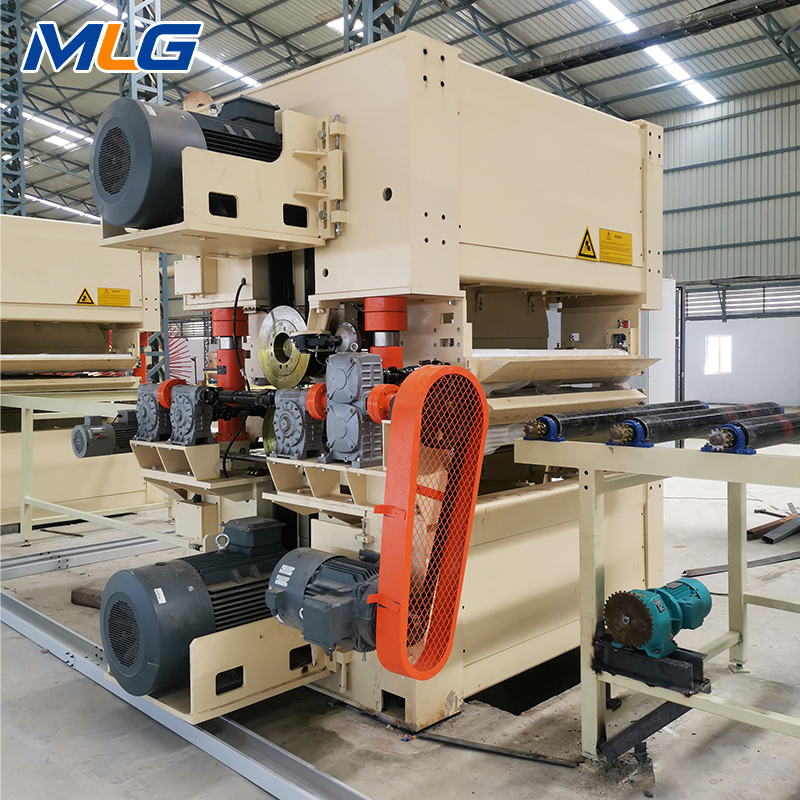
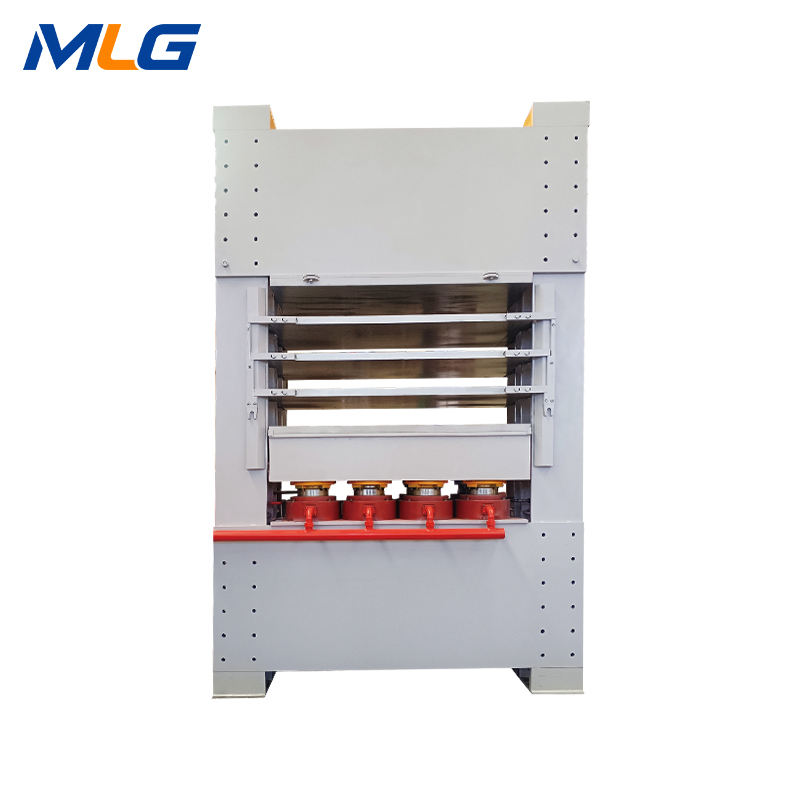
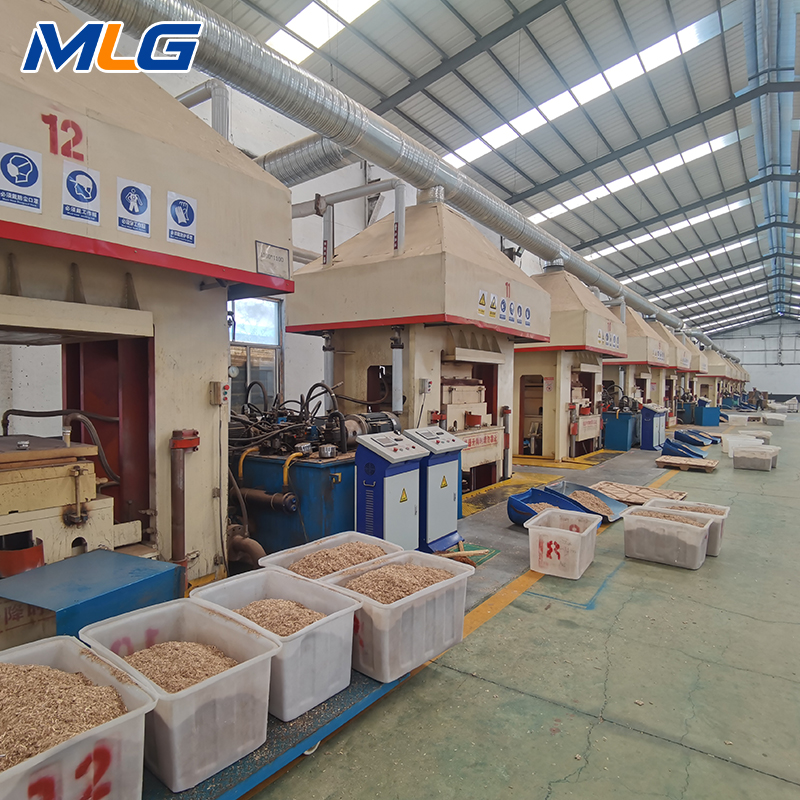
Short Cycle Melamine Lamination Hot Press Machinery

application/Short-Cycle-Melamine-Lamination-Hot-PressPlywood-Machinery, application/Short-Cycle-Melamine-Lamination-Hot-PressPlywood-Machinery, 
Inquiry
application/Short-Cycle-Melamine-Lamination-Hot-PressPlywood-Machinery, application/Short-Cycle-Melamine-Lamination-Hot-PressPlywood-Machinery, 
Inquiry

Short Cycle Melamine Lamination Hot PressPlywood Machinery

Short cycle melamine lamination hot press plywood machinery is essential for manufacturers looking to produce high-quality laminated panels efficiently. As a B2B buyer, you may prioritize factors such as machine performance, durability, and cost-effectiveness in your purchasing decisions. This article will address critical considerations, including how to select the right machinery, evaluate quality, navigate installation, understand cost factors, and explore applications in the industry. 

Evaluating the Quality of Plywood Machinery for Your Projects

Evaluating the quality of plywood machinery, including short cycle melamine lamination hot presses, requires a thorough analysis of several factors: 

Build Quality: Inspect the materials and construction of the machinery. High-quality components, like robust frames and reliable hydraulics, contribute to longevity and consistent performance. 

Precision and Accuracy: Look for machinery that guarantees precise temperature control and pressure application. This ensures uniform lamination and reduces the likelihood of defects in the final panels. 

User Reviews and Case Studies: Research user testimonials and case studies to understand real-world performance. Feedback from existing customers can reveal insights about durability, efficiency, and overall satisfaction. 

Certifications and Standards: Verify that the Plywood Hot Press Machine meets relevant industry standards and certifications, which can indicate a commitment to quality and safety. 

Testing and Sample Approval: Before committing to a purchase, request samples or conduct a test run with the machinery. This helps ensure it meets your quality standards in actual production conditions. 

Installation Guidance for Short Cycle Melamine Lamination Equipment

Installing short cycle melamine lamination hot press machinery requires careful planning to ensure optimal performance: 

Site Preparation: Ensure the installation site is suitable, with adequate space, electrical connections, and ventilation. The groundwork must accommodate the machinery's weight and dimensions. 

Professional Installation: Engage professionals for the installation process. Proper setup is critical to avoid operational issues down the line. The installation team should understand the specific requirements of the machinery. 

Calibration and Testing: After installation, calibrate the hot press for plywood according to the manufacturer's specifications. Conduct initial tests to verify functionality and identify any adjustments needed for optimal operation. 

Training for Operators: Provide training for machine operators on proper usage and maintenance. Well-informed operators can significantly enhance productivity and reduce operational errors. 

Assessing Cost Factors for Plywood Manufacturing Machinery

When evaluating the cost of short cycle melamine lamination hot press machinery, consider the following factors: 

Initial Purchase Price: While it’s tempting to choose the cheapest option, consider the total cost of ownership. Higher-quality machinery may have a higher initial cost but can lead to lower maintenance and operational costs in the long run. 

Energy Efficiency: Energy-efficient machines can significantly reduce operational costs. Look for models that utilize advanced heating technologies to minimize energy consumption during the lamination process. 

Maintenance Costs: Factor in potential maintenance expenses. Some machines require more frequent servicing, which can add to overall costs. A reliable warranty and support package can mitigate these expenses. 

Production Downtime: Consider the impact of downtime on your business. Investing in reliable machinery with a strong support network can minimize production interruptions and associated costs. 

Resale Value: Assess the potential resale value of the machinery. High-quality equipment often retains its value better than lower-quality alternatives, providing a return on investment if you decide to upgrade in the future. 

Applications of Short Cycle Melamine Lamination in the Industry

Short cycle melamine lamination hot presses are versatile tools used across various industries. Some common applications include: 

Furniture Manufacturing: These machines are ideal for producing laminated panels used in furniture, providing an attractive finish and robust surface that withstands daily use. 

Interior Decorations: Laminated panels are widely used in interior design, such as wall panels and cabinetry, where aesthetics and durability are paramount. 

Flooring: In the flooring industry, laminated panels offer both visual appeal and functional performance, allowing for a variety of styles and finishes. 

Construction Materials: The construction sector utilizes laminated wood panels for structural applications, benefiting from enhanced strength and moisture resistance. 

Custom Applications: Many manufacturers find unique applications for laminated panels, such as specialized products for automotive interiors or custom cabinetry. 

In summary, understanding short cycle melamine lamination hot press plywood machinery is crucial for making informed purchasing decisions. By considering the factors outlined, buyers can effectively evaluate machinery options, ensuring they meet their specific production needs and quality standards. 

How to Choose the Right Short Cycle Melamine Lamination Hot Press

Choosing the right short cycle melamine lamination hot press involves understanding your production requirements and the specific capabilities of available machinery.  Key considerations include:  

Production Capacity: Assess your expected output. Machinery should match or exceed your production demands to avoid bottlenecks. 

Specifications: Look for essential specifications such as platen size, heating system efficiency, and cycle time. For instance, a larger platen size can accommodate bigger panels, while a shorter cycle time increases throughput. 

Material Compatibility: Ensure the hot press can handle the types of materials you plan to laminate, including various substrates and melamine finishes.  Compatibility impacts the quality and durability of the final product. 

Customization Options: Some manufacturers offer customizable plywood pressing machine to fit specific production needs, such as unique panel sizes or specialized finishes.  Assess whether these options align with your product line. 

Technical Support and Maintenance: Consider the level of technical support and the availability of spare parts. A reliable manufacturer should provide comprehensive after-sales support to minimize downtime. 

Get a Free Quote

Our representative will contact you soon.
0/1000