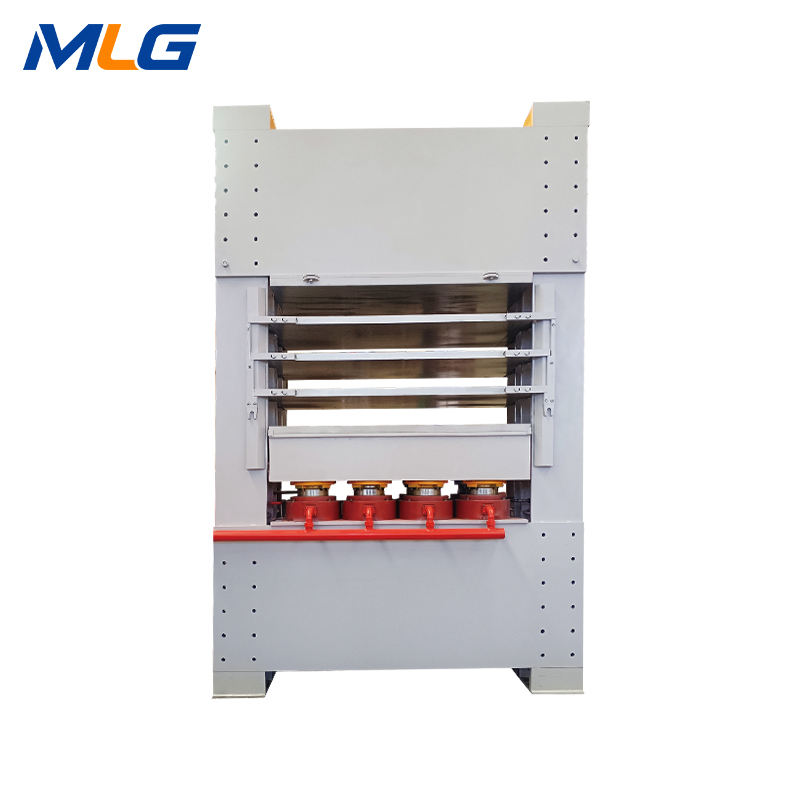
Mould Door Skin Hot Press Machine Specifications

application/Mould-Door-Skin-Hot-Press-Machine, application/Mould-Door-Skin-Hot-Press-Machine, 
Inquiry
Inquiry

Mould Door Skin Hot Press Machine

The Mould Door Skin Hot Press Machine is an essential piece of equipment used in the production of door skins, enabling manufacturers to create high-quality,  durable surfaces for a variety of applications. As a B2B buyer, understanding the specifications, capabilities, and proper handling of this machinery is crucial for making informed purchasing decisions. This article will address key considerations for selecting a Plywood Hot Press Machine, including specifications, supplier reliability, installation guidance, and common operational issues. 

Where to Find Reliable Suppliers for Mould Door Skin Hot Press Machines

Finding reputable suppliers is critical for ensuring the longevity and performance of your mould door skin hot press machine. Here are some effective strategies: 

Industry Trade Shows: Attending trade shows focused on the manufacturing and woodworking sectors offers direct access to various suppliers, allowing buyers to compare models and services. 

Online Marketplaces and Directories: Websites like Alibaba, ThomasNet, or industry-specific directories can help locate manufacturers specializing in mould door skin hot press machines. Look for suppliers with positive reviews and verified credentials. 

Networking: Engaging with industry peers through forums, LinkedIn groups, or professional associations can provide recommendations based on firsthand experiences. 

Manufacturer References: Established manufacturers often have a portfolio of clients. Requesting references or case studies can give insights into the supplier’s reliability and customer service. 

When evaluating a supplier, consider factors like after-sales support, warranty options, and the availability of spare parts. A trustworthy supplier should not only provide quality machinery but also support throughout the machine's operational life. 

How to Choose the Right Mould Door Skin Hot Press Machine for Your Needs

Selecting the right mould door skin hot press machine involves assessing your specific production needs against the capabilities of available machines. Here are key considerations: 

Production Volume: Determine your expected production volume. High-volume operations may require machines with higher capacities and faster cycle times, while small operations might be better suited to entry-level models. 

Material Compatibility: Different door skins may require specific materials and adhesives. Ensure the machine can handle the types of materials you intend to use, as this affects pressing quality and durability. 

Customization Needs: If your production involves various designs or sizes, look for machines that offer customization options. This flexibility can significantly enhance production efficiency. 

Budget Constraints: Evaluate not only the purchase price but also operational costs, including energy usage and maintenance. A lower initial investment may lead to higher long-term costs if the machine is inefficient. 

Technical Support and Training: Consider suppliers that Film Faced Plywood Hot Press Machine offer comprehensive technical support and training for operating the machine. This can enhance productivity and reduce the learning curve for your staff. 

By carefully matching machine capabilities with operational requirements, buyers can optimize production efficiency and product quality. 

Installation Guidance for Mould Door Skin Hot Press Machines

Proper installation of a mould door skin hot press machine is essential for maximizing performance and safety. Here are critical steps to consider during installation: 

Site Preparation: Ensure the installation site meets the machine’s requirements, including space, power supply, and ventilation. Adequate space allows for safe operation and maintenance access. 

Foundation Requirements: The machine should be installed on a stable foundation to prevent vibrations that could affect performance. Consult with the manufacturer for specific foundation guidelines. 

Utility Connections: Verify that electrical, water, and air connections are correctly installed according to the machine’s specifications. Improper connections can lead to operational issues or equipment damage. 

Calibration and Testing: After installation, the machine should be calibrated to ensure it operates within specified parameters. Conduct test runs to confirm that the pressing results meet quality standards. 

Training for Operators: Provide thorough training for operators on machine functionality, safety procedures, and maintenance practices. Proper training is crucial for minimizing operational risks and maximizing efficiency. 

Following these guidelines can help ensure a smooth installation process, contributing to efficient and safe machine operation. 

Common Problems and Solutions for Mould Door Skin Hot Press Machines

Despite their robustness, mould door skin hot press machines can experience operational issues. Understanding common problems and their solutions can enhance reliability: 

Inconsistent Pressing Results: This may result from incorrect temperature settings or uneven pressure distribution. Regularly check and calibrate temperature controls and ensure the pressing plates are level. 

Material Adhesion Failures: Poor adhesion can occur if the wrong adhesive is used or if the material is not prepped adequately. Always verify compatibility between the adhesive and materials, and ensure surface preparation meets recommended standards. 

Mechanical Failures: Wear and tear can lead to mechanical issues, such as hydraulic leaks or motor failures. Regular maintenance checks and timely replacement of worn components can mitigate these risks. 

Electrical Issues: Problems with the power supply or control systems can disrupt operations. Ensure that all electrical connections are secure and that the control systems are functioning correctly. 

Safety Hazards: Operators should be trained to recognize and address safety hazards, such as exposed moving parts or inadequate ventilation. Regular safety audits can help identify and rectify potential issues. 

Being aware of these common problems enables buyers to implement preventive measures and ensure the smooth operation of their mould door skin hot press machines. 

Understanding the Specifications of Mould Door Skin Hot Press Machines

When evaluating mould door skin hot press machines, several key specifications should be considered to ensure the equipment meets production requirements. 

Pressing Capacity: This refers to the maximum load the machine can handle, often measured in tons. A machine with a higher pressing capacity can effectively  produce thicker and denser materials. 

Temperature Control: Precise temperature settings are vital for achieving optimal adhesion and surface quality. Machines should feature adjustable temperature controls that can accommodate the specific resin or adhesive used in production. 

Plate Dimensions: The size of the press plates directly impacts the size of the door skins produced. Buyers must confirm that the dimensions align with their production needs, as incorrect sizing can lead to inefficiencies. 

Heating Method: Common heating methods include electric, steam, or oil, each affecting energy efficiency and heating speed. Understanding the heating method is crucial for evaluating operational costs and energy consumption. 

Control System: Advanced control systems allow for better monitoring of the 30-Layer Hot Press Machine pressing process, including time, temperature, and pressure. A user-friendly interface can simplify operation and maintenance. 

By carefully assessing these specifications, buyers can select a machine that not only meets their current needs but can also adapt to future production requirements. 

Get a Free Quote

Our representative will contact you soon.
0/1000