Choosing a 30-Layer Hot Press Machine for Production

application/30-Layer-Hot-Press-Machine, application/30-Layer-Hot-Press-Machine, 
Inquiry
Inquiry

30-Layer Hot Press Machine

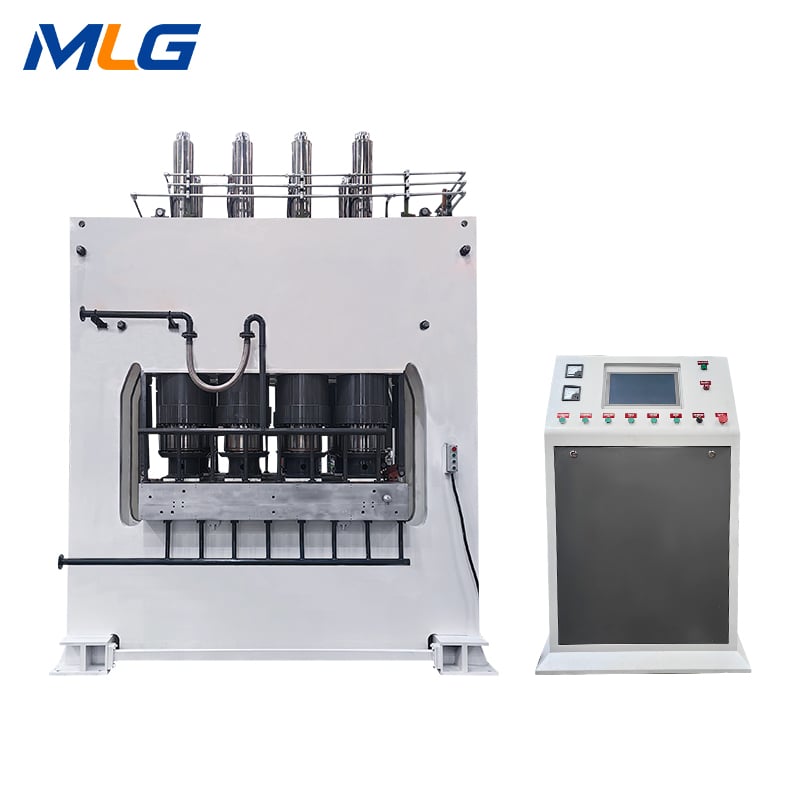
A 30-layer hot press machine is an essential piece of equipment in the production of wood-based panels, such as plywood, particleboard, OSB, and MDF. This sophisticated machinery not only enhances production efficiency but also ensures the quality of the final products. For B2B buyers, particularly those in manufacturing, purchasing managers, and engineers, key concerns revolve around the machine's specifications, operational capabilities, and overall value. This article will provide insights into choosing, evaluating, sourcing, and understanding the applications of a 30-layer hot press machine, enabling informed decision-making for a successful investment. 

How to Evaluate the Quality of a 30-Layer Hot Press Machine

Quality evaluation of a 30-layer hot press machine should encompass both the construction of the machine itself and the technology it employs. Start by examining the materials used in manufacturing the press, such as the frame, heating plates, and hydraulic components. Durable materials and solid construction are vital for longevity and minimizing maintenance costs. 

Next, assess the machine's performance metrics, including temperature uniformity, press time, and pressure application. These factors influence the quality of the panels produced. A machine that offers precise temperature control can prevent defects such as warping or delamination in the final product. 

It’s also essential to review the manufacturer's quality control processes and any certifications they may hold, as these can indicate adherence to industry standards. For instance, ISO certifications or compliance with safety regulations signal a commitment to quality and reliability. Finally, request references or case studies from existing customers to gauge the machine's performance in real-world applications. 

Sourcing a 30-Layer Hot Press Machine``

Sourcing a 30-layer hot press machine necessitates a strategic approach to identify reputable suppliers. Start by researching manufacturers with a proven track record in the industry, such as Shandong Menglianggu Machinery, known for its expertise in producing complete wood-based panel MDF hot press production lines. Look for suppliers that offer comprehensive technical support and customization services, as these can be crucial for meeting specific production requirements. 

When evaluating potential suppliers, consider their geographical location and export capabilities. A supplier with experience in your region may better understand local regulations and logistics, which can streamline the purchasing process. Additionally, inquire about their post-sale support services, including maintenance, training, and availability of spare parts. 

It's advisable to request quotations from multiple suppliers to compare not just pricing but also the services included, lead times, and warranty conditions. This can provide a clearer picture of the total cost of ownership. 

Cost Factors for Purchasing a 30-Layer Hot Press Machine

The cost of a 30-layer hot press machine can vary significantly based on several factors. First, the machine's specifications, such as size, capacity, and technological features, will impact the base price. Advanced features like automated controls or enhanced safety systems may raise costs but can improve efficiency and reduce long-term operational expenses. 

Additionally, consider the material quality and construction methods used in the machine's fabrication. Higher-quality materials may lead to a higher purchase price but can offer better durability and lower maintenance costs over time. 

Other cost factors include shipping and installation fees, which can vary based on the supplier’s location and the complexity of the setup process. Finally, factor in operational costs, such as energy consumption, maintenance requirements, and potential downtime, as these will impact the overall return on investment. 

Applications of a 30-Layer Hot Press Machine in Manufacturing

A 30-layer hot press machine plays a pivotal role in various manufacturing applications within the wood-based panel industry. Its primary function is to bond layers of wood or composite materials under heat and pressure, creating durable panels used in furniture, cabinetry, flooring, and construction. 

Specifically, this type of hot press plate is well-suited for producing high-quality plywood and engineered wood products, which require precise pressure and temperature control to maintain structural integrity. Additionally, it is used in manufacturing particleboard and MDF, where uniformity and surface finish are critical for downstream processes such as veneering or laminating. 

Moreover, the versatility of a 30-layer hot press allows manufacturers to experiment with different material combinations and panel configurations, enabling innovation in product offerings. This adaptability is crucial in a market that increasingly demands customized solutions to meet diverse customer needs. 

Understanding the considerations, evaluation criteria, sourcing strategies, cost factors, and applications of a 30-layer hot press machine empowers B2B buyers to make informed decisions that enhance their production capabilities and product quality. By focusing on these aspects, manufacturers can invest wisely in machinery that aligns with their operational goals. 

What to Consider When Choosing a 30-Layer Hot Press Machine

Selecting the right 30-layer hot press machine involves several critical factors. First, consider the machine's capacity, which should align with your production needs. The dimensions, such as the pressing area and the thickness of the panels, are crucial because they will influence the final product output. Additionally, the type of materials your operation uses whether it be hardwood, softwood, or engineered wood affects the machine's configuration and performance. 

Another consideration is the heating method. Common options include electric, steam, or oil heating, each with its advantages and drawbacks in terms of energy efficiency, temperature control, and operational cost. Buyers should also investigate the machine's technological features, such as control systems and automation capabilities, which can significantly impact production speed and consistency. 

Furthermore, ensure that the hot press machine can accommodate customization options that may be necessary for specific panel types. This customization could include adjustments for different thicknesses or materials, ensuring versatility in production. 

Get a Free Quote

Our representative will contact you soon.
0/1000